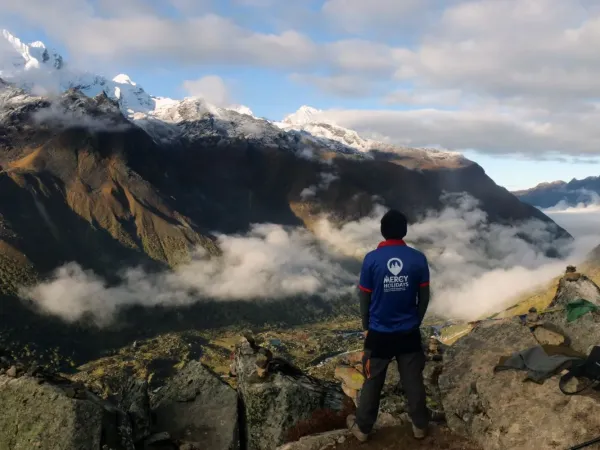
Most of Nepal shuts down for trekking between June and September. The trails get muddy, leeches appear on the forest paths, and visibility drops to almost nothing on popular routes. Upper Mustang is the rare exception that keeps its doors open all through the monsoon season. This blog explains why Upper Mustang stays dry during monsoon and what you can realistically expect if you trek there between June and September.
Why Upper Mustang Stays Dry During Monsoon
Upper Mustang sits in the rain shadow of the Himalayas, tucked deep behind the Annapurna and Dhaulagiri ranges. These two massive mountain ranges block nearly all the moisture-laden clouds that roll in from the Bay of Bengal during monsoon. The result is a high-altitude desert that receives less than 100mm of rainfall annually. While the rest of Nepal experiences heavy rains and landslides, Upper Mustang sees clear skies and dry winds throughout the wet season. The region is often described as a piece of Tibet that stayed behind in Nepal. Its Tibetan plateau landscape, ancient mud-brick villages, and arid red cliffs remain fully accessible even in the heart of monsoon.
What the Upper Mustang Trail Looks Like in June to September
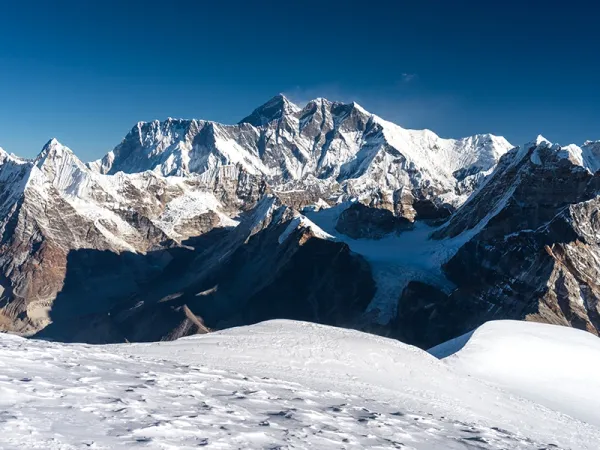
The Upper Mustang trail during monsoon looks nothing like a wet-season trek elsewhere in Nepal. Skies are often completely clear in the morning, the air is crisp, and the views of Nilgiri, Tilicho Peak, and Annapurna South appear sharp against deep blue skies. The ochre and red rock formations that make Upper Mustang famous look even more dramatic when lit by strong summer sunlight. You will notice far fewer trekkers on the trail compared to the October to November peak season. The quieter trail gives you an intimate experience of Lo Manthang, the ancient walled city that serves as the capital of Upper Mustang. The local population is more relaxed and welcoming during this period because tourist crowds are thin. Some sections of the lower trail near Kagbeni can get windswept and dusty during afternoon hours.
Tiji Festival: The Cultural Bonus Before Monsoon Peaks
The Tiji Festival takes place in Lo Manthang usually in May, just before peak monsoon arrives. The festival is a three-day Tibetan Buddhist ritual that celebrates the victory of good over evil. Local monks perform elaborate masked dances in the courtyard of the Lo Manthang royal palace. Planning your trek for late May gives you a chance to witness one of the most authentic cultural festivals in the Himalayas. The Tiji Festival draws very few international tourists compared to popular Kathmandu events. This makes it a rare and quiet cultural experience that is difficult to replicate anywhere else in Nepal.
Permits Required for Upper Mustang Trekking
Upper Mustang is a restricted area and requires special permits beyond the standard Nepal trekking documentation. Below are the permits you need before entering the region.
-
Restricted Area Permit (RAP) costs USD 500 for the first 10 days and USD 50 per additional day after that
-
Annapurna Conservation Area Permit (ACAP) is required for all trekkers entering the Annapurna region
-
TIMS Card is mandatory for all foreign trekkers in Nepal. Additionally all permits must be arranged through a registered Nepali trekking agency because solo independent trekking is not allowed in Upper Mustang. Solo trekking is only allowed with two travellers travelling together.
Trail Conditions and Temperatures During Monsoon
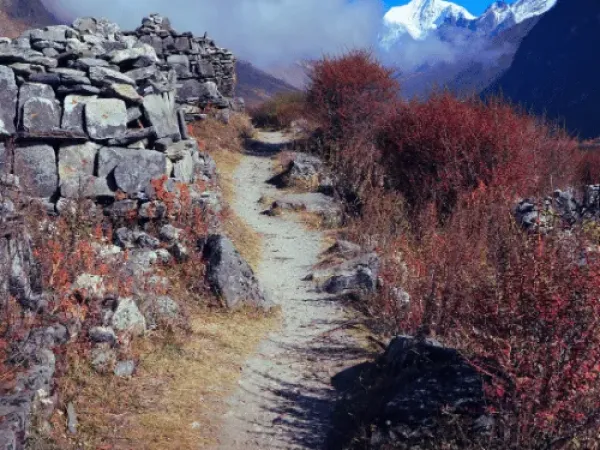
Trail conditions during monsoon are generally good in Upper Mustang because rainfall is minimal. The dirt and stone paths remain walkable without the thick mud that covers trails in other parts of Nepal. Strong winds are common in the afternoon, particularly between Chele and Syangboche on the upper sections. Daytime temperatures during monsoon range between 15 degrees C and 22 degrees C across most of the trail. Nights at higher elevations like Lo Manthang, which sits at 3,840m, drop to around 5 degrees C or lower. Morning starts are comfortable but carrying a warm fleece or down layer for evenings is non-negotiable.
What to Pack for Monsoon Trekking in Upper Mustang
Packing for Upper Mustang during monsoon is different from packing for a typical wet-season trek. The focus here is on wind and sun protection rather than heavy rain gear. Below is a practical packing list for this specific trek.
-
Lightweight windproof and waterproof jacket
-
Wide-brim sun hat and UV-protection sunglasses
-
High SPF sunscreen for the intense high-altitude sun
-
Warm fleece or down jacket for evenings
-
Sturdy trekking boots with good ankle support
-
Dust mask or buff for the windy trail sections
-
Reusable water bottle with water purification tablets
Honest Pros and Cons of Monsoon Trekking in Upper Mustang
The pros and cons of monsoon trekking in upper mustang trek are given below:
| Factor | Pros | Cons |
|---|---|---|
| Weather | Dry skies and minimal rain throughout | Strong afternoon winds and trail dust |
| Crowds | Far fewer trekkers on the route | Limited teahouse dining variety |
| Scenery | Dramatic light and sharp mountain views | Some high meadows are drier than spring |
| Cost | Slightly lower lodge costs during off-season | Restricted Area Permit fees remain high |
| Culture | Tiji Festival experience in late May | Some local families migrate to lower villages |
Is Monsoon the Right Time for You?
Monsoon trekking in Upper Mustang suits you if you prefer quiet trails and authentic cultural encounters over busy peak-season trekking. The dry rain shadow climate means you are not trading comfort for adventure here. You get the same dramatic canyon landscapes, ancient cave monasteries, and living Tibetan culture but with a fraction of the foot traffic. This window also suits travellers who cannot take leave during the October to November high season. The main trade-offs are strong afternoon winds and fewer teahouse options on the trail. If those are not dealbreakers, Upper Mustang during monsoon is one of the best-kept secrets in Himalayan trekking.
Plan your Upper Mustang monsoon trek with Mercy holidays. Our team handles your restricted area permit, itinerary design, and end-to-end logistics so you can focus entirely on the experience.