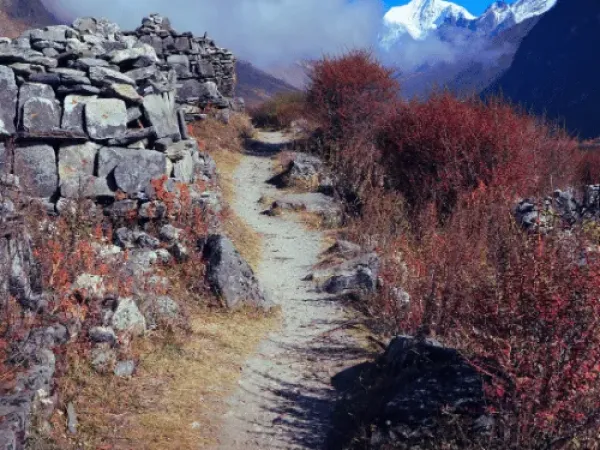
Mera Peak (6,476 m) is Nepal's highest trekking peak in the Everest region, where climbers can climb without requiring technical climbing skills. The peak is classified as an alpine PD (Peu Difficile/Moderately Difficult) adventure in the Himalayas. Regardless of the height, the difficulty level and non-technical requirements of Mera peak make it a preferred destination for climbers seeking climbing and scenic himalayan experience.
Many adventurers planning for the Mera Peak expedition have a common question regarding the best time to climb Mera Peak. The best time to climb Mera Peak for beginners or climbers seeking experience is during spring (March to May) and autumn (September to November).
In this blog, we provide information about the ideal season to climb Mera Peak for the best experience. The differences between climbing the peak during Autumn and Spring are provided so that you can expect and plan your adventure for maximizing the overall experience.
Overview of Mera Peak
Mera Peak is a trekking peak located at the Mahalangur section, Barun subsection, of Nepal's Sankhuwasabha district in the Sagarmatha zone. The peak mountain contains three main summits, where Mera North (6,476 m) is the highest peak, followed by Mera Central (6,461 m) and Mera South (6,065 m). Among the three, Mera Central is the most commercially climbed peak due to its accessibility and favorable conditions.
Unlike busy trails of Everest Base Camp, the route to Mera Peak goes via peaceful villages, dense rhododendron and pine forests, river valleys, and high-altitude landscapes. Starting the trek after a thrilling landing at Lukla (Tenzing Hillary Airport), you reach the Mera Peak summit. The summit offers you a clear and close view of mountains like Mount Everest, Lhotse, Makalu, Cho Oyu, and Kanchenjunga.
| Mera Peak Overview | |
|---|---|
| Aspect | Details |
| Country | Nepal |
| Region | Hinku Valley, Eastern Nepal, Solukhumbu District |
| Mountain Range | Mahalangur Himal, Himalayas |
| Protected Area | Makalu Barun National Park |
| Nearest Airport | Lukla Airport |
| Typical Trek Starting Point | Lukla (via flight from Kathmandu) |
| Trek Route Type | Remote but peaceful trails |
| Trek Difficulty | Moderate to strenuous (Peu Difficile/Moderately Difficult) |
| Accessibility | Requires multi-day trek |
| Elevation | 6,476 meters |
| Famous For | Highest trekking peak in Nepal |
| Summit Views | Everest, Lhotse, Makalu, Cho Oyu, Kanchenjunga |
| Trekking Environment | Pine and rhododendron forests, alpine valleys, glaciers, high camps |
| Geographic Coordinate | 27°42′33″ N latitude and 86°52′06″ E |
| Best Season to Visit | Spring (March to May) and Autumn (September to November) |
| Permit Requirement |
|
Mera Peak in Spring
The spring season, starting from the month of March to May, is considered the best time to climb Mera Peak. This season rewards every trekker with favorable weather conditions, trail conditions, temperature, visibility, and overall experience.
Spring Weather Conditions
Spring offers favorable conditions with clear skies, extended visibilities, and stable weather. The average temperature during the daytime ranges from 14°C to 20°C, and nighttime temperature at high camp goes from -5°C to less than -10° C. Mornings in spring are wind-free, making it the best time for a summit push.
Trail Conditions
Trail conditions in Mera Peak during spring are highly accessible. Being the peak season, the trails are peaceful and feature vibrant hues of rhododendron blossoms and wildflower blooms. In higher elevations, the chance of wind and occasional snowstorms is possible.
Mountain Views and Visibility
The clear weather with high visibility makes the spring the best for mountain views from Mera Peak. From the summit, you can enjoy the 360 degree panorama of the highest mountain peaks like Everest, Makalu, Lhotse, Cho Oyu, and Kanchenjunga. Spring season in Mera peak is ideal for professional photography and documentaries.
Flora, Wildlife, and Trekking Experience
The Mera Peak expedition during spring gives exposure to rich biodiversity in the Hinku Valley and Makalu-Barun National Park region. From fragrant wildflower blooms to the vibrant hues of pink, red, and white rhododendron blooms, spring makes your journey colorful. The less crowded trails increase the opportunity to spot animals like Red Panda, Himalayan Black Bear, Langurs, Musk Deer, and various types of birds, including the Himalayan Monal (Danfe) and Griffon Vultures.
Crowd Levels and Climbing Traffic
During spring seasons, crowd levels on routes and climbing traffic are significantly higher than other seasons. However, in comparison to other busy routes like EBC, crowds and traffic are manageable. The medium crowd-level increases the opportunity to interact with other travelers and visitors in the region.
Summit Success Rates in Spring
As spring provides a favorable climate and ideal climbing conditions, the chance of summit success is high. However, climbers must take care of acclimatization and physical fitness levels for a successful summit. Spring is the best season for experiencing a high-altitude climb for the first time.
Mera Peak in Autumn
Autumn (September to November) is the ideal time for Mera Peak climbing, as the season offers predictable weather, favorable temperature, crystal-clear mountain visibility, and dry trails.
Autumn Weather Conditions
Autumn gives a favorable climate with crisp and dry air, stable and predictable weather, and comfortable trekking conditions. The daytime temperatures average from 12°c to 20°c and night time temperature reaches to -20°c in higher camps.
Trail Conditions
Trails are clean and easy to navigate during autumn as the monsoon washes away dust and dirt. You can feel the soothing, cool air refreshing you when trekking on the trails. The golden autumn color throughout the Mera Peak trail further enhances your trekking experience.
Visibility and Mountain Panoramas
Autumn gives the best mountain panoramas and beautiful nearby scenery. As the weather is crystal clear, you get a panoramic view of mountains like Everest, Cho Oyu, Makalu, Lhotse, and many other peaks. The upper region is snowy, while lower valleys give vivid autumn appeal.
Crowd Levels and Popularity
Autumn is ideal for an overall trekking experience, as the season offers a peaceful and off-the-beaten-path wilderness experience. The season might experience a high level of crowding due to ideal trekking conditions. It is recommended to book guides, accommodations, and permits early if you are trekking during autumn.
Summit Success Rates in Autumn
While the summit success rate depends upon the climber's preparation, fitness, and acclimatization, in average conditions, autumn gives a high summit success rate. The favorable climate, predictable weather, ideal climbing conditions, and low probability of severe wind increase the success rate during the season.
Climbing Mera Peak in Spring vs Autumn: Side-by-Side Comparison
| Feature | Spring (March to May) | Autumn (September to November) |
|---|---|---|
| Weather Conditions | Best weather conditions with clear skies and high visibility. The average daytime temperature is 14°C to 20°C, and the nighttime temperature at high camp is -5°C to below -10°C. | Favorable weather with crisp air, crystal-clear visibility, and predictable weather. Daytime temperatures range from 12°C to 20°C and can drop to -20°C or below at higher camps during the night. |
| Trail Conditions | Highly accessible with vibrant rhododendron and wildflower blossoms along the trail. | Clean and clear tracks without dirt and mud, featuring golden autumn colors throughout the route. |
| Visibility and Views | Clear visibility of the mountain panorama, including Everest, Makalu, Lhotse, and many more peaks. | Crystal-clear visibility with clean post-monsoon skies and panoramic Himalayan views. |
| Scenery and Flora | Vibrant rhododendron blooms, colorful forests, lush alpine landscapes, and occasional sightings of Himalayan Monal, Langur, Red Panda, and Himalayan Black Bear. | Fresh, dust-free landscapes with golden autumn colors, stunning mountain backdrops, and rare wildlife sightings. |
| Crowds and Atmosphere | Popular season, especially in April. Trails and teahouses are lively and social. | Peak trekking and climbing season with busy trails, active base camps, and high expedition traffic. |
| Permit Cost | USD 350 | USD 175 |
Conclusion
Both spring and autumn are the best seasons for the Mera Peak expedition. However, choosing one solely depends upon your personal preference, climbing goals, and experience. If you prefer warmer weather, a vibrant atmosphere, longer daylight hours, and an overall balanced trekking experience, spring can be the best season for you.
Meanwhile, for cool and crisp mountain air, crystal-clear visibility, the best sunrise view, and predictable weather, autumn can be an ideal season for you. Autumn also benefits you with a low permit cost in comparison to spring.
Whether you are trekking during spring or in autumn, with proper acclimatization, preparation, and a well-planned itinerary, you can get the best Himalayan experience. If you are planning to trek to Mera Peak during spring or autumn, contact Mercy Holidays. Mercy Holidays provides a well-planned itinerary, an experienced guide, and assistance during the trek to make your journey memorable and full of adventure.