Set out on the legendary Everest Base Camp Trek, a dream adventure for thrill-seekers and mountain lovers.
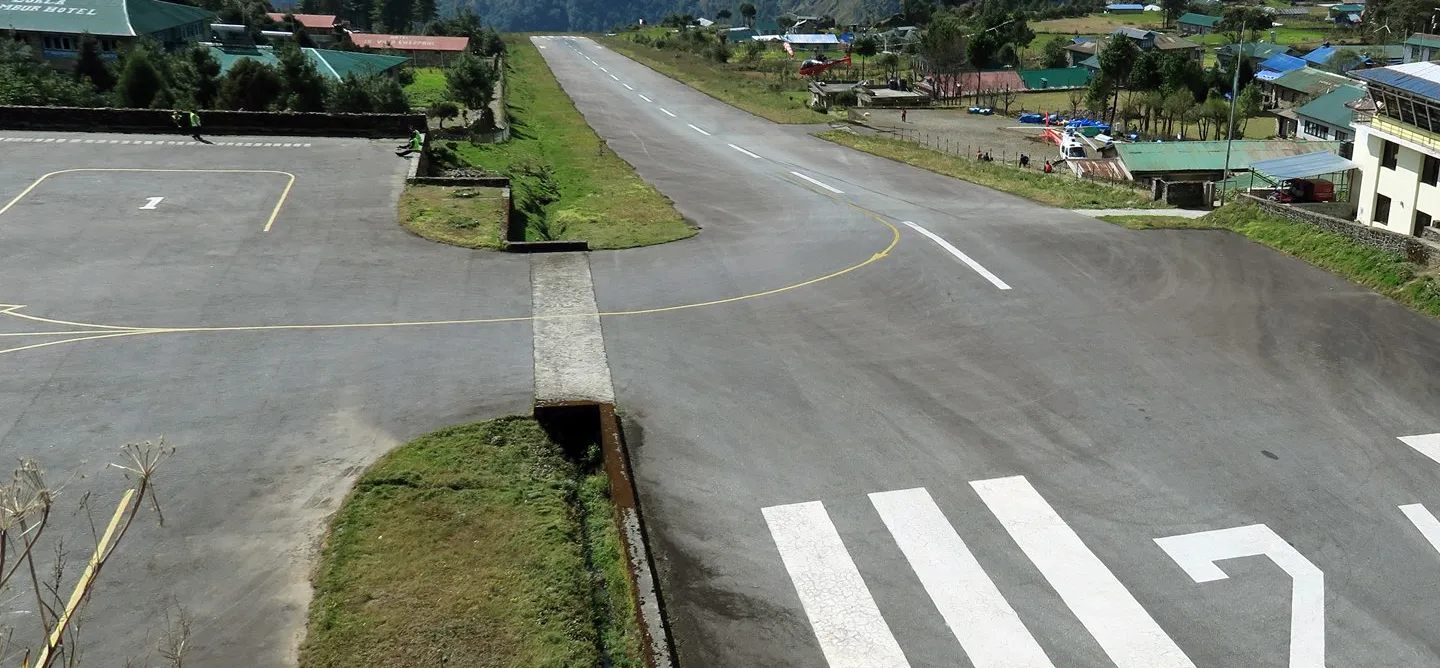
Enjoy a scenic 30-minute flight to Lukla, touching down at one of the world’s wildest airstrips at 2,846 m altitude
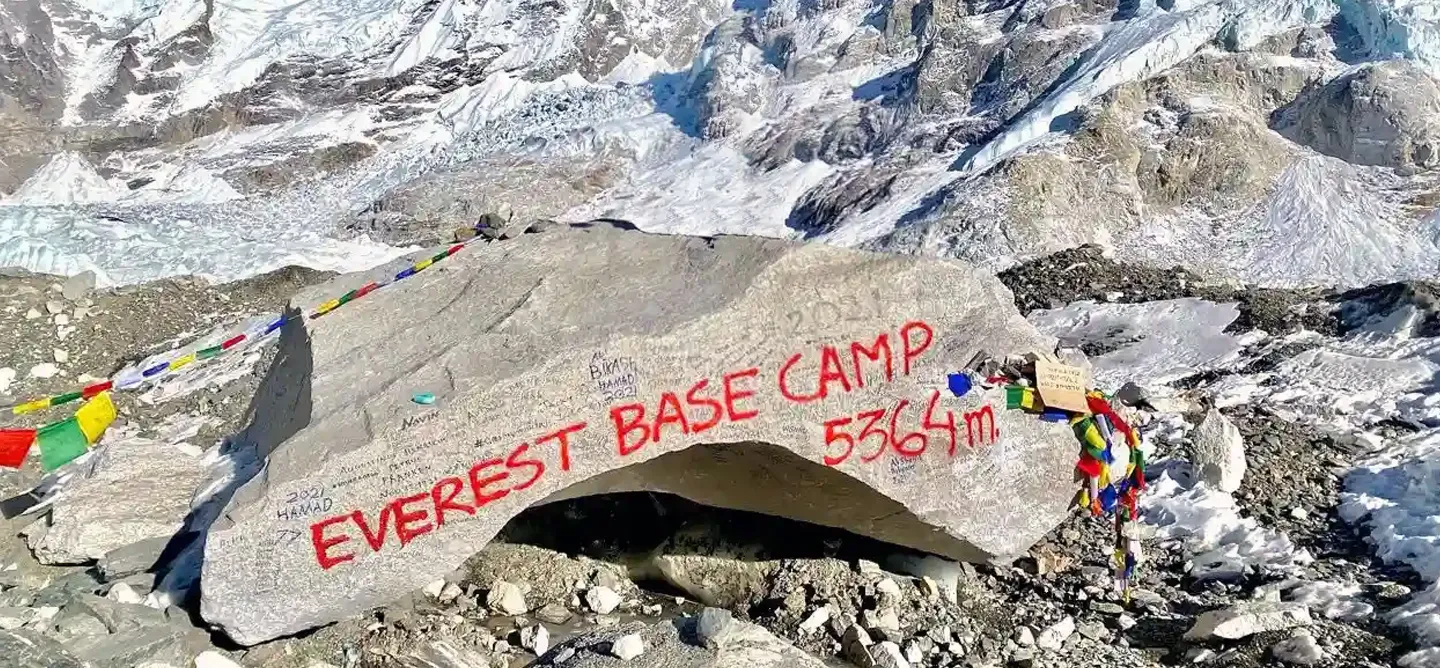
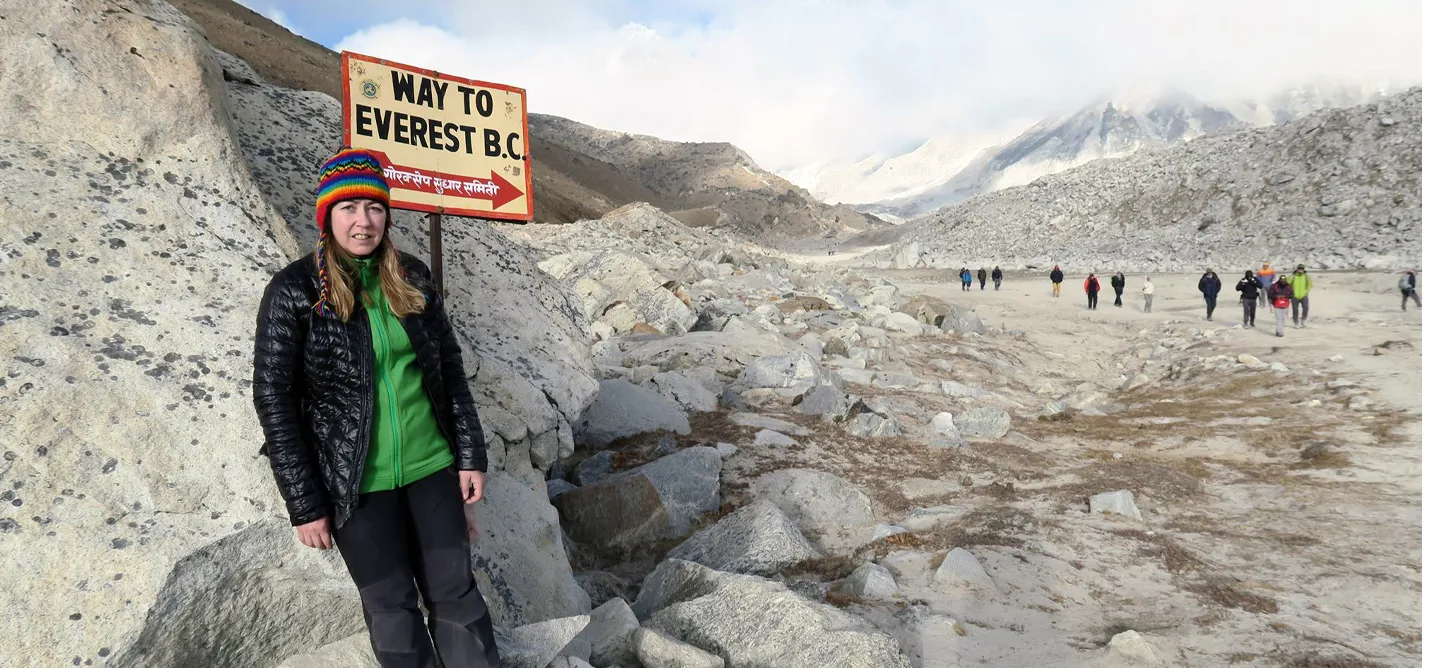
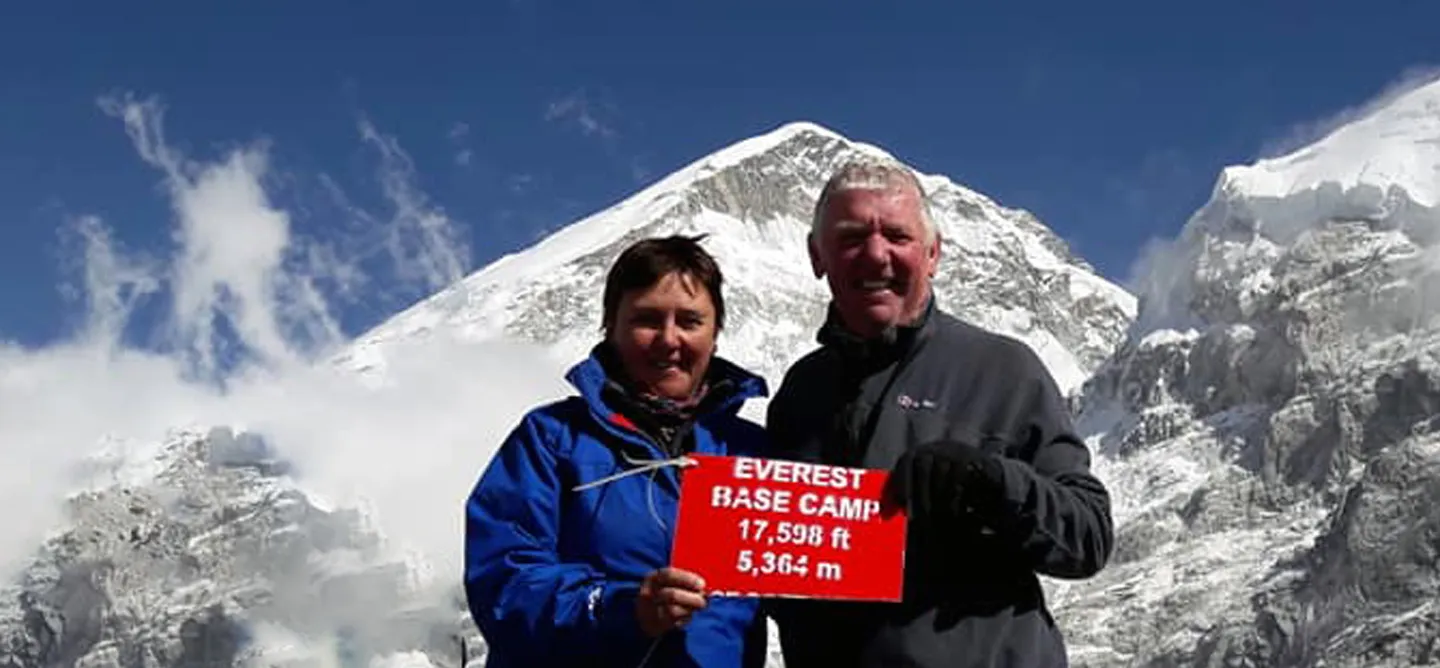
Embrace the tranquillity at Everest Base Camp (5,364m), surrounded by the mighty Khumbu Glacier and Himalayan giants.
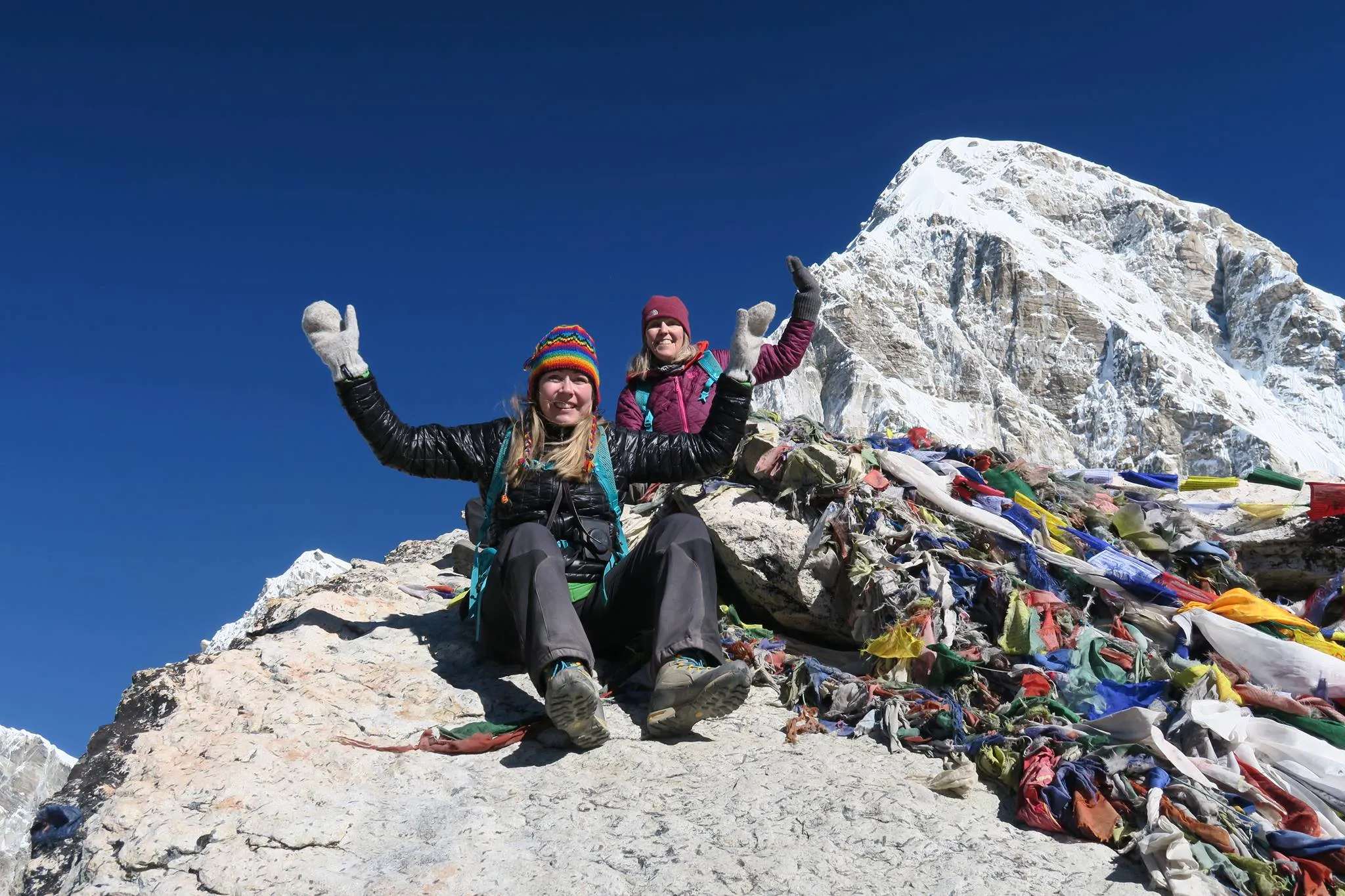
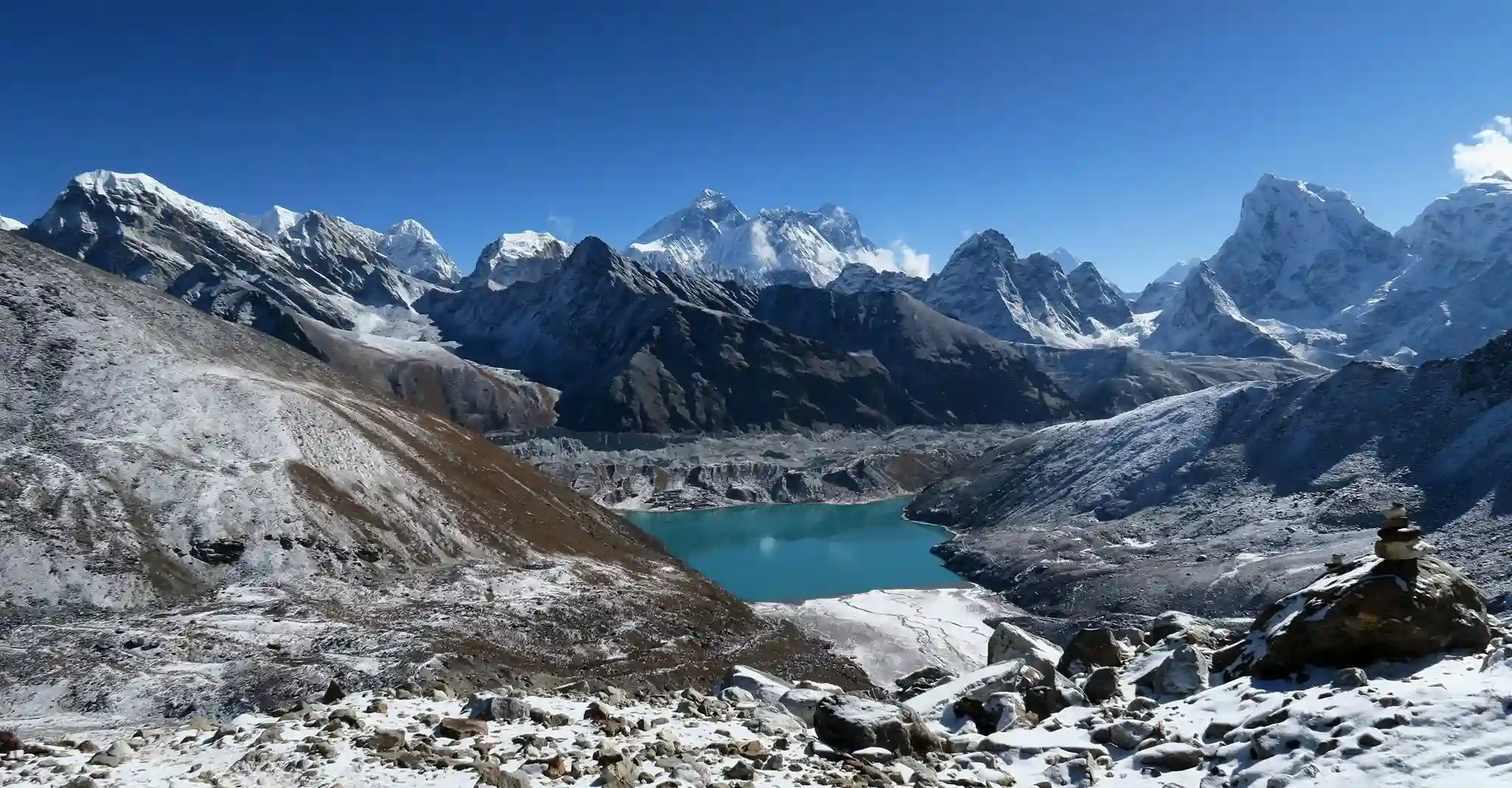
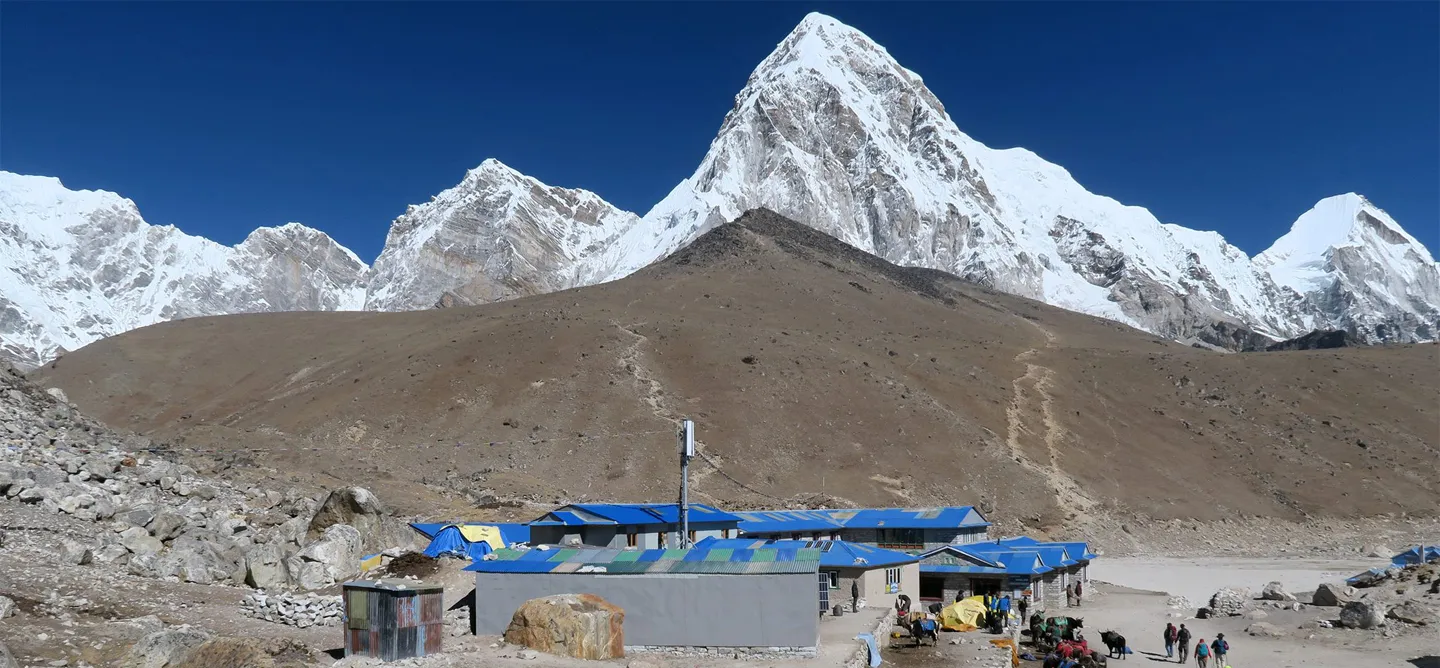
Hike up to Kala Patthar (5,545m) for breathtaking views of Everest, Lhotse, Nuptse, and Ama Dablam during Sunrise.
Dive deep into Sherpa traditions in the lively Namche Bazaar and peaceful villages of Phakding, Tengboche, Dingboche, and other Sherpa Communities
Wander through UNESCO’s Sagarmatha National Park, bursting with wildlife, plants, and sacred Buddhist monasteries.
Cross wobbly suspension bridges over the Dudh Koshi River, framed by colourful rhododendron and pine forests
Visit Tengboche Monastery, a spiritual treasure preserved beneath the soaring Himalayan peaks.
Trip Overview
The Everest Base Camp Trek is an unforgettable 15-day journey through Nepal’s Khumbu region, approaching the world’s highest peak, the mighty Everest, also called Sagarmatha or Chomolungma in the ethnic language. It weaves stunning mountain views, vibrant Sherpa culture, and the thrill of reaching Base Camp at 5,364m elevation. Besides, being perfect for adventurers craving challenge and wonder, this trek delivers a pure Himalayan experience as you traverse through local Sherpa communities, tasting authentic flavours and experiencing tranquillity throughout the trek.
Your adventure starts with a thrilling flight from Kathmandu to Lukla, followed by hikes through scenic Sherpa villages like Phakding and Namche Bazaar, the bustling heart of the Everest region. The trail meanders along the shimmering Dudh Koshi River, past prayer flags, ancient monasteries, and blooming rhododendrons, with chances to spot Himalayan tahr (mountain goats and rare snow leopards if you get lucky. Rest days in Namche and Dingboche let you dive into Sherpa life and ease into high elevations, acclimatising your body and mind for the adventure we follow.
The path climbs through Tengboche’s sacred monastery and Dingboche’s alpine charm, then onto rugged Lobuche. From Gorakshep, you trek to Everest Base Camp, witnessing the climbers’ tents and marvelling at the icy peaks in the spring season. The major highlight of the overall EBC Trek is the Sunrise view from Kala Patthar, showering the golden rays onto Everest, Lhotse, Nuptse, and other towering peaks.
This tough trek demands strong fitness and mental grit for high elevations and daily hikes stretching from 5 to 8 hours. Warm Sherpa teahouses serve tasty local dishes and cosy hospitality, making every stop a delightful experience. Whether attracted by Everest’s epic allure, cultural treasures, or raw Himalayan beauty, this trek promises a life-changing journey.
Trip Itinerary
Day 1: Arrival in Kathmandu and Drive to the Hotel
A representative from Mercy Holidays welcomes you at Tribhuvan International Airport (TIA) in Kathmandu. Then, you are escorted to the cozy hotel pre-booked for you. The quick drive shows off lively markets, ancient temples, and vibrant Nepali life. A refreshing welcome drink greets you at check-in. Your guide shares the details of the EBC Trek and briefs you on the gear, equipment, and permits required.
Kathmandu buzzes with a blend of tradition and modern flair on its colorful streets. Ancient stupas and temples tower around you. Prayer flags dance, hinting at the Himalayan adventure ahead. Wander lively Thamel, exploring shops and cozy cafes. Relax at the hotel, tingling with trek excitement.
Walking Hours
Optional
Distance
6.4 KM
Transport
Airport Pick
Max. Altitude
1400m/4553ft
Meals
Welcome Dinner/ Breakfast
Accommodation
3-5* Star Hotel
Day 2: Kathmandu ✈️ Lukla (2,860m) – Trek to Phakding (2,610m) | 3–4 hours
On day 2, we go for a thrilling 30-35-minute flight from Kathmandu to Lukla’s Tenzing-Hillary Airport, one of the most adventurous high-altitude airports in the world, which can give you a cold chill during your landing. The plane glides over rugged Himalayan peaks. Upon landing, you begin your trek with an easy 3–4 hour hike to Phakding. The trail winds gently along the sparkling Dudh Koshi River, crossing suspension bridges strung with fluttering prayer flags.
Phakding greets you with welcoming teahouses and peaceful river views. The village resides in a lush, green valley. The gentle rush of the Dudh Koshi soothes your soul and refreshes your hike. Rhododendrons bloom brightly in spring while green, lush pine forests stand tall throughout the year. After settling into a warm teahouse, you savour a comforting plate of dal bhat, the perfect way to recharge for the journey ahead.
Note: We can arrange a direct flight from Kathmandu to Lukla, or from Ramechhap to Lukla, depending on flight availability and weather conditions.
Walking Hours
3-4 hours walk
Distance
145 km
Transport
Airport Transfer
Max. Altitude
2610m/8562ft
Meals
Breakfast Lunch & Dinner
Accommodation
Mountain Tea House
Day 3: Trek from Phakding (2610m) to Namche Bazaar (3,440m) | 6 Hours
Today’s trek is a challenging yet rewarding 6-hour hike from Phakding to Namche Bazaar, the gateway to Everest, entering Sagarmatha National Park. The trail takes you through swaying suspension bridges. You trace the Dudh Koshi River through pine forests. Clear skies may reveal your first peak at Mt. Everest from Top Dada, a little bit above High Suspension ( Halary Bridge) and below Namche Bazaar, where Prayer flags flutter at the park’s gate.
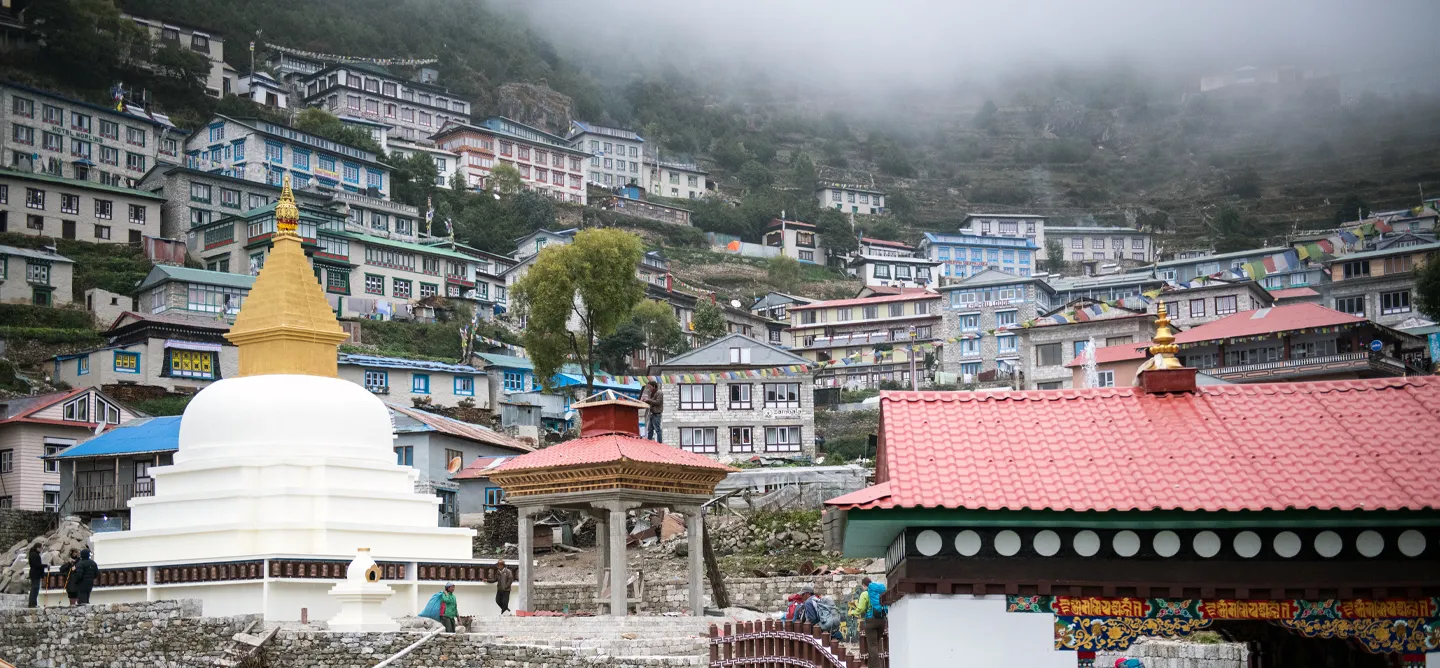
The stop for the day is Namche Bazaar, a lively Sherpa hub that resides in a stunning mountain amphitheatre. Bustling markets overflow with crafts and snacks. Stupas and monasteries glow beneath Himalayan peaks. Warm teahouses dish up tasty meals with epic views. You rest, soaking up the vibrant buzz.
Walking Hours
6-7 hours
Distance
10-11 km
Max. Altitude
3440m/11286ft
Meals
Breakfast Lunch & Dinner
Accommodation
Mountain Tea House
Day 4: Acclimatization Day in Namche Bazaar
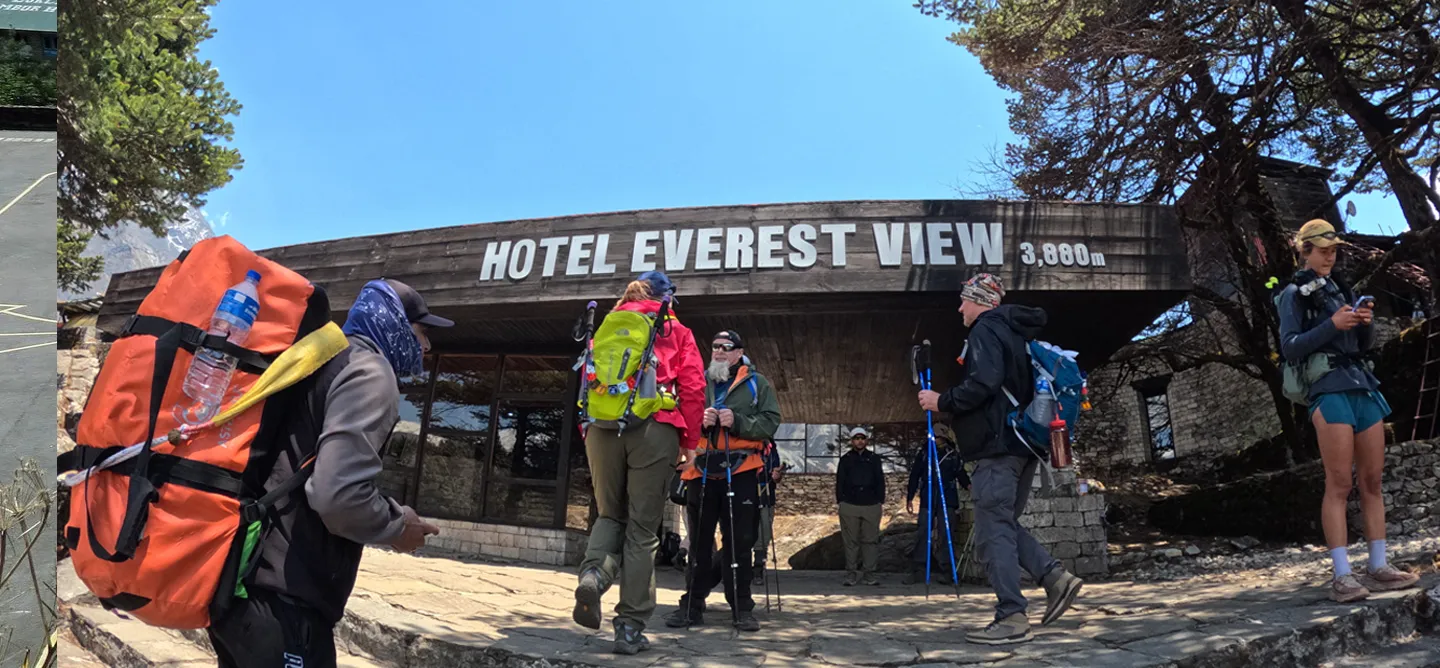
Today, we spend the day acclimatizing in Namche Bazaar, easing into the elevation. An optional hike takes you to the Everest View Hotel (3,880m elevation). Or, you wander throughout the Khumjung village, home to the historic Hillary School, founded by Sir Edmund Hillary.
Back in Namche Bazaar, it brims with cultural treasures and Himalayan charm. Prayer wheels spin softly in quiet corners. While the Sherpa Culture Museum reveals the traditions and history of the mountain community, colourful shops offer trekking gear, handicrafts, and local delicacies.
Walking Hours
Optional
Max. Altitude
3880m/12730ft
Meals
Breakfast Lunch & Dinner
Accommodation
Mountain Tea House
Day 5: Trek from Namche to Tengboche (3,860m) approx 5-6 hours
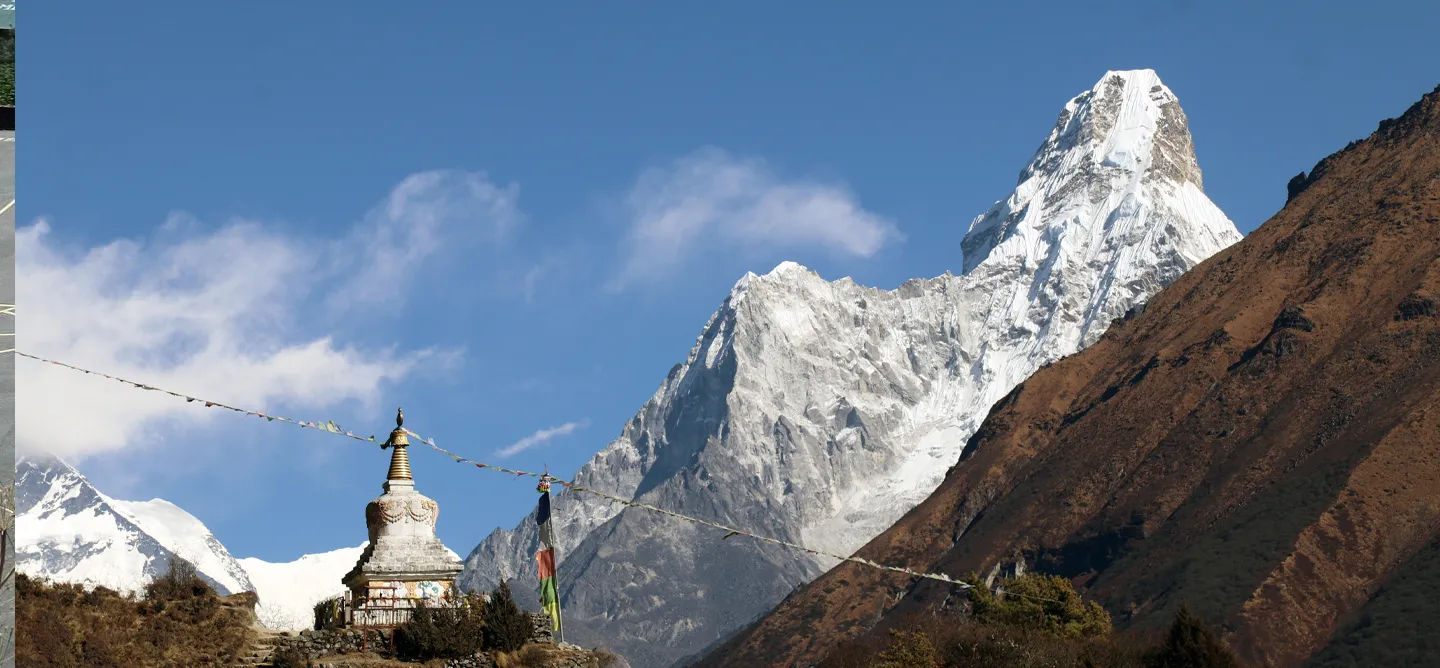
After a much-needed acclimatisation, the Sherpa guides take you for a 5-6 hour hike from Namche to Tengboche, winding through rhododendron forests. The trail follows the Dudh Koshi River. You cross bridges and soak in views of Ama Dablam. The path leads to the sacred Tengboche Monastery. Prayer flags light your way.
Tengboche enchants with its peaceful monastery and Himalayan backdrop. Snowy peaks like Everest and Lhotse rise grandly. The monastery’s chants echo through the quiet valley. Cosy teahouses offer warm meals and rest. You settle in, wrapped in spiritual calm.
Walking Hours
5-6 hours
Distance
9-10 km
Max. Altitude
3860m/12664ft
Meals
Breakfast Lunch & Dinner
Accommodation
Mountain Tea House
Day 6: Trek from Tengboche to Dingboche (4,410m) approx 5-6 hours
You hike 5-6 hours from Tengboche to Dingboche, crossing rivers and alpine trails. The path winds beneath towering peaks. You pass stone villages and mani walls. The landscape opens to vast mountain vistas. Prayer flags dance in the crisp air.
Dingboche, a charming alpine village, glows with rugged beauty. Snow-capped peaks frame the quiet valley. Cosy teahouses provide warm beds and hearty meals. The serene setting invites deep reflection. You rest, lost in Himalayan tranquillity.
Walking Hours
5-6 hours
Distance
11 Km
Max. Altitude
4410m/14468ft
Meals
Breakfast Lunch & Dinner
Accommodation
Mountain Tea House
Day 7: Acclimatization Day in Dingboche
Today is another Acclimatization day, settling into the high elevation (Thin air). An optional adjustment hike to Nangkartshang Hill (5,083m elevation) offers stunning views of the giant snow-peaked mountains nearby. The climb helps acclimate with glimpses of Lhotse and Makalu. You roam the village’s quiet trails. The crisp air feels refreshing.
Dingboche’s raw beauty shines under towering peaks. Stone houses dot the open valley. Prayer flags flutter in the breeze. Teahouses offer cosy rest and warm meals. You relax, feeling the Himalayas’ quiet grandeur.
Walking Hours
Optional
Max. Altitude
5083m/16675ft
Meals
Breakfast Lunch & Dinner
Accommodation
Mountain Tea House
Day 8: Trek from Dingboche to Lobuche (4,910m) approx 5-6 hours
Today's journey takes you on a hike of 5-6 hours from Dingboche to Lobuche, passing memorials for fallen climbers. The trail climbs through rocky alpine terrain. Views of Nuptse, Pumori, and Khumbutse unfold dramatically. The air grows thin as you ascend. Prayer flags mark your path.
Lobuche rests in a stark, high-altitude valley. Towering peaks frame the rugged landscape, and in the evening, mesmerising mountain sunsets, so it's better not to miss. Teahouses offer simple shelter and warm meals. The quiet solitude feels profound. You rest, wrapped in the Himalayas’ raw beauty.
Walking Hours
5-6 hours
Distance
10km
Max. Altitude
4910m/16108ft
Meals
Breakfast Lunch & Dinner
Accommodation
Mountain Tea House
Day 9: Trek from Lobuche to Everest Base Camp (5,364m) via Gorakshep (5,140m) | Approx 7-8 hours
Today, you embark on a 7–8 hour trek from Lobuche to Gorakshep, the final stop before the legendary Everest Base Camp. Upon arrival, you leave your bags at Gorakshep’s teahouses, enjoy lunch and a chocolate bar, then continue along rocky trails and the vast Khumbu Glacier toward Base Camp. Here, you’ll witness climbers’ tents, glacial ice, and share awe-inspiring moments with fellow trekkers. After soaking in the iconic scenery, you return to Gorakshep for a well-earned rest.
Gorakshep sits amidst a rugged, high-altitude landscape, with the Khumbu Glacier stretching nearby in all its raw majesty. Teahouses provide simple warmth and meals, while the day concludes with a profound sense of triumph and accomplishment, having reached one of the world’s most legendary destinations
Walking Hours
7-8 hour
Distance
12km
Transport
Walking
Max. Altitude
5364/17598ft
Meals
Breakfast Lunch & Dinner
Accommodation
Mountain Tea House
Day 10: Hike to Kala Patthar (5,545m) and Trek to Pheriche (4,240m)
Today, you’ll wake up early—and for good reason! The goal is to chase a breathtaking sunrise over Everest, Lhotse, and Nuptse. At 5,545m, Kala Patthar offers a panoramic viewpoint with unforgettable perspectives of the Himalayan giants. After soaking in the scenery, you descend to Gorakshep, collect your bags, enjoy a light breakfast, and hand them over to our porter. Then, the trek continues to Pheriche, where you’ll rest for the night. The long descent helps ease altitude strain, while the trail treats you to gorgeous valley vistas along familiar paths.
Pheriche’s peaceful valley enchants with open fields and distant peaks. Cozy teahouses provide warmth, hearty meals, and restful beds. The lower elevation feels refreshing after the achievement of Kala Patthar, allowing you to unwind and relive the epic sunrise, embraced by the quiet majesty of the Himalayas.
Walking Hours
7-8 hour
Distance
14km
Max. Altitude
5545m/18192ft
Meals
Breakfast Lunch & Dinner
Accommodation
Mountain Tea House
Day 11: Trek from Pheriche to Namche Bazaar
Today you hike for 6-7 hours from Pheriche to Namche Bazaar, retracing through Pangboche and Tengboche. The trail descends through dense forests. Rhododendrons bloom vividly during the spring season. You cross rivers and pass prayer flags. Namche’s lively buzz welcomes you back.
Namche’s bustling markets and cosy cafes hum with warmth. Snowy peaks frame the vibrant town. Prayer wheels add spiritual charm. You'll enjoy a hearty meal and a hot shower. The familiar hub feels like a rewarding milestone.
Walking Hours
6-7 hours
Distance
15
Transport
Walking
Max. Altitude
3440m/11286ft
Meals
Breakfast Lunch & Dinner
Accommodation
Mountain Tea House
Day 12: Trek from Namche to Lukla
Today, your final trek in the mountains, you have to hike for 6 hours from Namche to Lukla. The trail drops through lush forests and villages. You cross wobbly bridges over the Dudh Koshi River. Sherpa communities wave goodbye. Lukla’s airstrip comes into sight.
Lukla buzzes with trekkers and local energy. Teahouses serve warm meals and comfy beds. The surrounding hills glow at dusk. You celebrate with your team, toasting the trek’s end. The thrill of the adventure lingers in your heart.
Walking Hours
6-7 hours
Distance
15 km
Transport
Walking
Max. Altitude
3440m/11286ft
Meals
Breakfast Lunch & Dinner
Accommodation
Mountain Tea House
Day 13: Fly Back to Kathmandu
After an unforgettable adventure on the Everest Base Camp Trek, today marks your return to Kathmandu. You will take an early morning flight from Lukla, enjoying one last breathtaking aerial view of the Himalayan mountains. The scenic flight takes approximately 30 minutes and offers a thrilling perspective of the region you have just explored.
Upon arrival at Tribhuvan International Airport, you will be transferred to your hotel. The remainder of the day is free for you to relax, explore the city, or do some last-minute shopping.
Kathmandu's vibrant atmosphere provides a striking contrast to the peaceful mountain trails. Wander through the lively streets of Thamel, visit local markets, enjoy traditional cuisine, or unwind at a cosy café while reflecting on your Himalayan journey.
Note: During peak trekking seasons or due to air traffic congestion at Kathmandu Airport, flights from Lukla may operate to Manthali Airport (Ramechhap) instead of Kathmandu.
Distance
145 km
Transport
Domestic flight
Max. Altitude
2610m/8562ft
Meals
Breakfast Lunch & Dinner
Accommodation
Mountain Tea House
Day 14: Buffer Day in Kathmandu
You keep this day free for weather delays or Kathmandu valley sightseeing. Optionally, you explore Bhaktapur’s ancient Durbar Square. Patan’s temples and courtyards enchant with history. A mountain flight offers epic Himalayan views. You wander at your own pace.
Kathmandu’s cultural gems shine in Bhaktapur and Patan. Intricate wood carvings grace historic palaces. Street vendors offer colourful crafts and snacks. The city’s lively chaos captivates you. You relax, ready for your trip back home.
Max. Altitude
1400m/4553ft
Meals
Fare Well Dinner
Accommodation
3-5* Star Hotel
Day 15: Fly Back Home
Today, our local representative drives you from your hotel to Tribhuvan International Airport, timed according to your flight schedule. Mercy Holidays ensures a smooth and stress-free send-off. As you travel, you reflect on the unforgettable moments of the EBC trek, carrying the majesty of the Himalayas in your heart.
Kathmandu’s vibrant energy bids you farewell—its temples, bustling markets, and cultural charm leaving lasting impressions. You carry stories of Everest and the soaring peaks, and the adventure becomes a part of you. You depart, forever changed, with memories that will last a lifetime.
Transport
Airport Drop
Max. Altitude
1400m/4553ft
Meals
Breakfast
Route Map
Include/Exclude
Cost Includes
Airport Transfers: Private pickup and drop-off for international and domestic flights.
Hotel Stay in Kathmandu: 3 nights in comfortable 3–5★ hotels on a twin-sharing basis.
Sightseeing Tour: Half-day guided city tour covering two major UNESCO World Heritage Sites in Kathmandu.
Round-Trip Lukla Flights: Kathmandu–Lukla–Kathmandu (or Ramechhap–Lukla, depending on availability) with shared or private ground transfers.
Special Meals: Welcome and farewell dinners before and after the trek.
Meals During the Trek: All meals included — breakfast, lunch, and dinner — each served with a complimentary cup of tea or coffee.
Trekking Accommodation: Comfortable teahouse lodging on a twin-sharing basis.
Professional Trekking Team (staff wages, allowances, and insurance included):
1 licensed, English-speaking trekking guide
1 assistant guide for every 4 trekkers
Porter service — 1 porter for every 2 trekkers
Permits: Sagarmatha National Park Entry Permit and Local Khumbu VDC Permits.
Safety Support: Comprehensive medical first-aid kit and trekking oxygen supply for altitudes above 4,000 m.
Taxes & Service Charges: All government taxes and official service fees are included.
Cost Excludes
Nepal Visa: Fee depends on the duration of stay (15/30/90 days).
International Airfare: All international flights to and from Nepal.
Personal Expenses: Nepalese SIM card, internet, phone charging, hot showers, laundry, bakery items, fizzy drinks, alcohol, and other personal costs.
Emergency Expenses: Medical examinations, horse rentals, helicopter evacuation, and rescue services.
Guide and porter tipping is voluntary but customary in trekking culture, with a recommended minimum of 10% of the total package price per person.
Extra Nights: Additional accommodation in Kathmandu for early arrivals or late departures.
Special Permits / Sanctions: Permits or letters of authorisation required for special filming, large drones, or professional filming equipment.
Insurance: All-inclusive travel or medical insurance is mandatory but not included.
Extra Porter/Assistant Guide: Available upon request for an additional $25 per day.
Trekking Equipment: Essential trekking gear, including sleeping bags, fleece liners, down jackets, raincoats, and crampons/trekking poles (must be requested at least one month before departure).
Optional Tours: Any optional sightseeing tours or activities during free time.
Other Costs: Expenses arising from flight delays or itinerary changes.
Before heading to any trek in Nepal, trekkers must be aware of the right weather and the best time to go on the journey. With that, you can plan for a perfect trekking experience without much difficulty and obstacles throughout the trail. The best times to trek to Everest Base Camp are spring and autumn:
Spring (March to May): Clear skies, colourful rhododendrons, and mild weather. Perfect for photos and nature lovers.
Autumn (late September to November): Crisp air, stunning mountain views, and lively Sherpa festivals. The safest trekking season.
However, we recommend trekkers to avoid the monsoon (June to August) due to rain, slippery trails, and landslides. Besides, the winter (December to February) brings harsh cold, with many teahouses closed. Therefore, we do not recommend trekkers to go for the Everest Base Camp Trek during the winter and summer, or monsoon seasons.
Food and Accommodation during the Everest Base Camp Trek
Accommodation
Throughout the Everest Base Camp Trek, trekkers stay in locally run teahouses that provide simple yet comfortable twin-sharing rooms. While most rooms come with shared bathroom facilities, more developed villages like Namche Bazaar or Dingboche may offer upgraded options with attached bathrooms for an extra cost. The rooms are typically clean, warm enough with blankets, and well-maintained, given the altitude and remoteness. Teahouses also provide a communal dining area, perfect for warming up around the stove and sharing stories with fellow trekkers.
Food
Meals on the trail are prepared fresh at teahouse kitchens and include a variety of local and international options. The most popular and nutritious meal is dal bhat (rice, lentil soup, and vegetables), which is all-you-can-eat in many lodges. Trekkers can also enjoy Tibetan bread, vegetable noodles, eggs, momos (dumplings), fried rice, soups, pasta, and limited Western items like pancakes and toast. Beverages such as black tea, coffee, hot lemon, and safe drinking water are widely available, though food options become simpler and more basic at higher altitudes.
Transportation for the Everest Base Camp Trek
The trek starts with a 30-minute flight from Kathmandu or Manthali to Lukla’s Tenzing-Hillary Airport. Peak seasons may use Manthali due to Kathmandu’s air traffic. The flight reveals stunning Himalayan vistas and a thrilling landing. Return flights link Lukla to Kathmandu. In Kathmandu, private vehicles handle airport transfers and tours. Flight delays are possible, so a buffer day helps.
Preparation Tips for the Everest Base Camp Trek
Trekking to Everest Base Camp at 5,364m elevation tests your physical and mental strength. The rugged Himalayan trail demands acclimatization and preparation. Whether new or experienced, prepping your body and mind ensures a safe, fun journey. Good planning lets you fully enjoy the peaks and Base Camp.
Here are key tips for the Everest Base Camp Trek:
Train 6-8 weeks early, focusing on cardio, leg strength, and stamina. Stair climbing or uphill walking helps.
Practice multi-day hikes with a backpack to get used to trekking conditions.
Break in trekking boots early to avoid blisters on the trail.
Learn about elevation sickness, its symptoms, and how to handle it.
Stay hydrated and eat well to ease elevation challenges.
Use acclimatization days to rest and take short hikes for adjustment.
Pack light, layered clothing for changing Himalayan weather.
Build mental toughness for unexpected weather or flight delays.
Talk to a doctor about health conditions and elevation meds like Diamox.
Book the Everest Base Camp Trek with Mercy Holidays!
Trekking to Everest Base Camp isn’t just a trip; it’s a life-changing adventure. With towering peaks, warm Sherpa villages, and the iconic Base Camp, this journey leaves lasting memories. Mercy Holidays ensures a safe, joyful trek with expert guides and thoughtful planning. Reach out or visit our office in Maharajgunj, Kathmandu, to book today!
Feel free to contact us if you have any queries or questions regarding the Everest Base Camp Trekking package or any of our other services. Our team of friendly and experienced Sherpa guides and in-house staff will be available 24/7 to help you clear up your confusion.
FAQ
How long is the Everest Base Camp Trek?
The EBC Trek spans 15-16 days, covering arrival, rest days, and a buffer for weather delays. This pace ensures safe climbing for the high-elevation Base Camp ascent.
Is prior trekking experience required for the Everest Base Camp Trek?
No experience is needed, but it helps. Past high-elevation hikes prepare you for the physical and mental demands. Fit hikers with training shine.
How difficult is the Everest Base Camp Trek?
The trek is tough, with steep climbs and high elevation up to 5,545m at Kala Patthar. Good fitness and prep are essential.
Is the Everest Base Camp Trek safe?
Yes, with careful acclimatization, a skilled guide, and planning, it’s safe. Elevation sickness and weather shifts need caution and awareness.
Do I need permits for the Everest Base Camp Trek?
Yes, you need two permits: a Sagarmatha National Park Entry Permit and a TIMS card. Your trekking agency usually sorts these out.
What is the highest point of the Everest Base Camp Trek?
Kala Patthar, at 5,545m elevation, is the highest point. It offers epic sunrise views of Everest, Lhotse, and Nuptse.
What type of accommodation is available?
Teahouses offer simple twin-sharing rooms with shared bathrooms. Namche Bazaar and Dingboche may have private bathrooms for an extra cost. Lodges are cozy and clean.
Can I charge my devices along the Everest Base Camp Trek?
Yes, teahouses offer charging for a small fee. Solar power is limited, so pack a power bank for reliable device use.
Is Wi-Fi available?
Wi-Fi is available in Namche Bazaar and Dingboche for a fee. Signals weaken at higher elevations, so expect spotty access.
What’s the food like on the Everest Base Camp Trek?
Meals are hearty, with dal bhat (unlimited refills), momos, pasta, rice, and Tibetan bread. Options get simpler at higher elevations.
What’s the risk of elevation sickness?
Moderate to high risk above 3,500m elevation. Rest days, hydration, and slow pacing help. Watch for headaches, nausea, dizziness, and descend if worse.
Do I need a guide or porter?
Solo trekking is fine, but a guide helps with navigation and safety. Porters lighten your load and support local families.
How cold does it get?
Nights in Gorakshep can drop to -10°C to -15°C (14°F to 5°F) in autumn or winter. Pack thermal layers and a four-season sleeping bag.
Can I do the trek solo?
Yes, but stay cautious. Trails are clear, but high-elevation spots like Base Camp require navigation skills and self-reliance.
What’s the emergency evacuation process?
Helicopter evacuation is the main option for emergencies. Ensure travel insurance covers trekking above 5,000m elevation with airlift and medical care.
 Trekking Expert)
 Tour Expert)
 Ticketing Expert)
 Visa Expert)