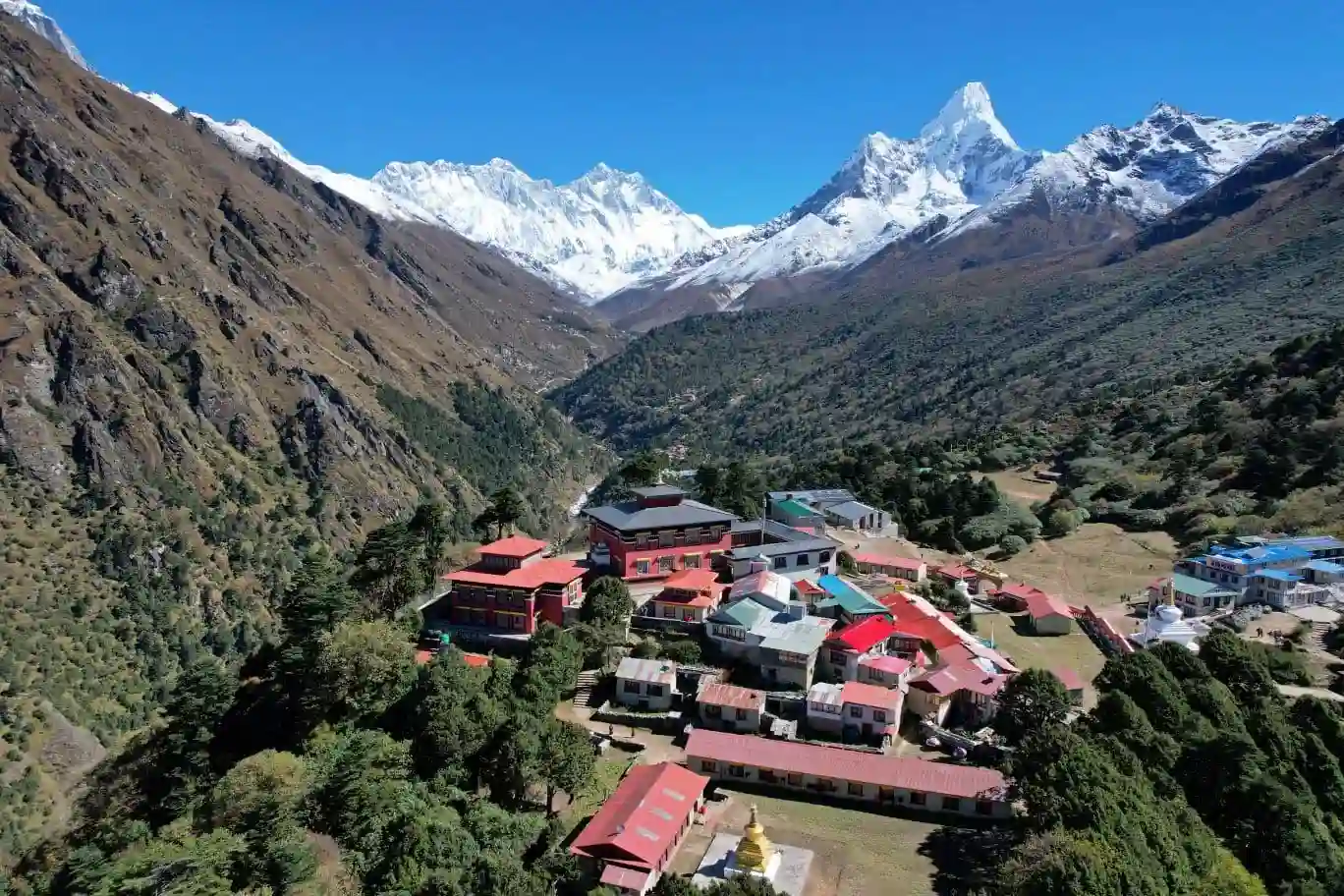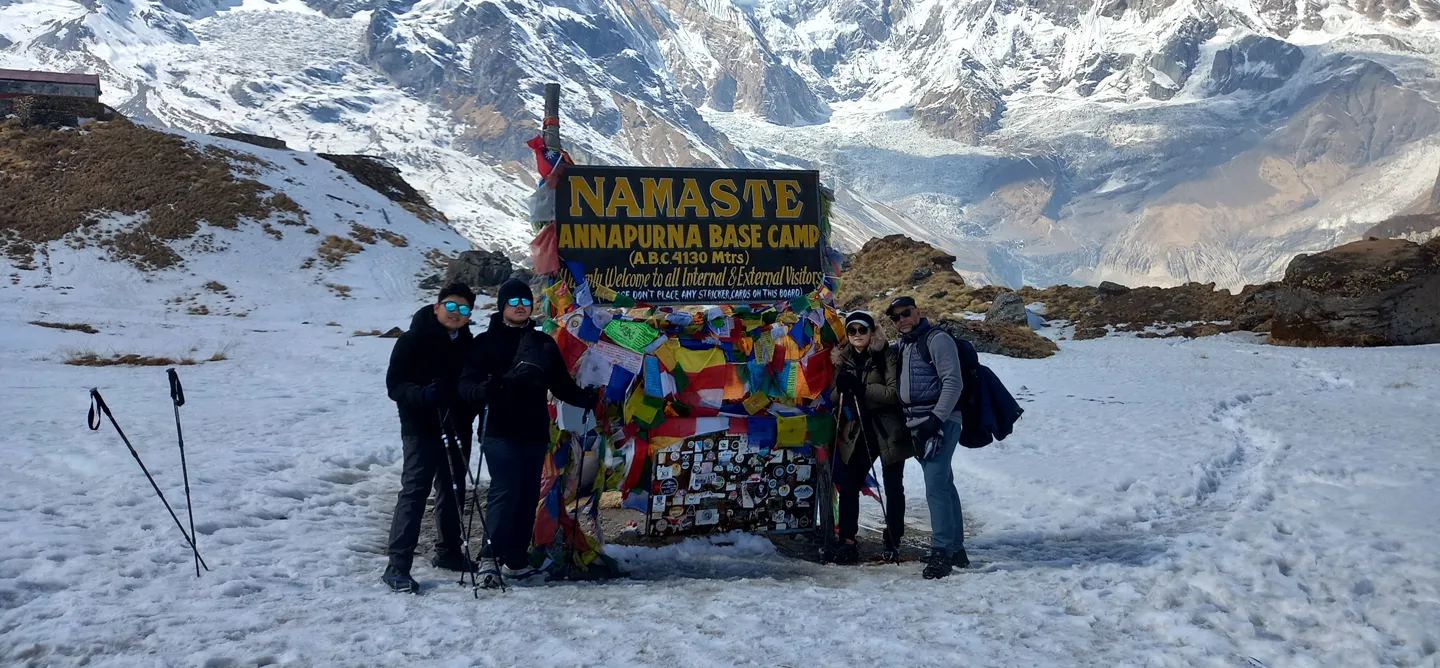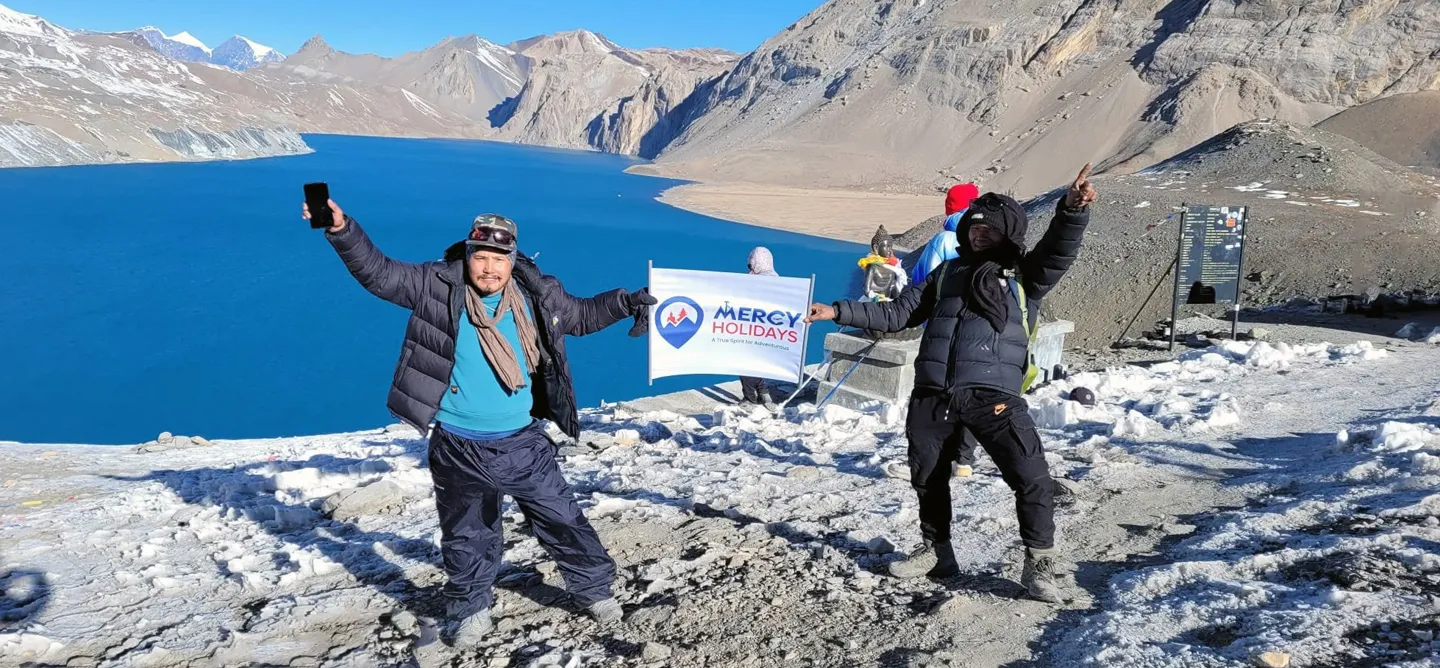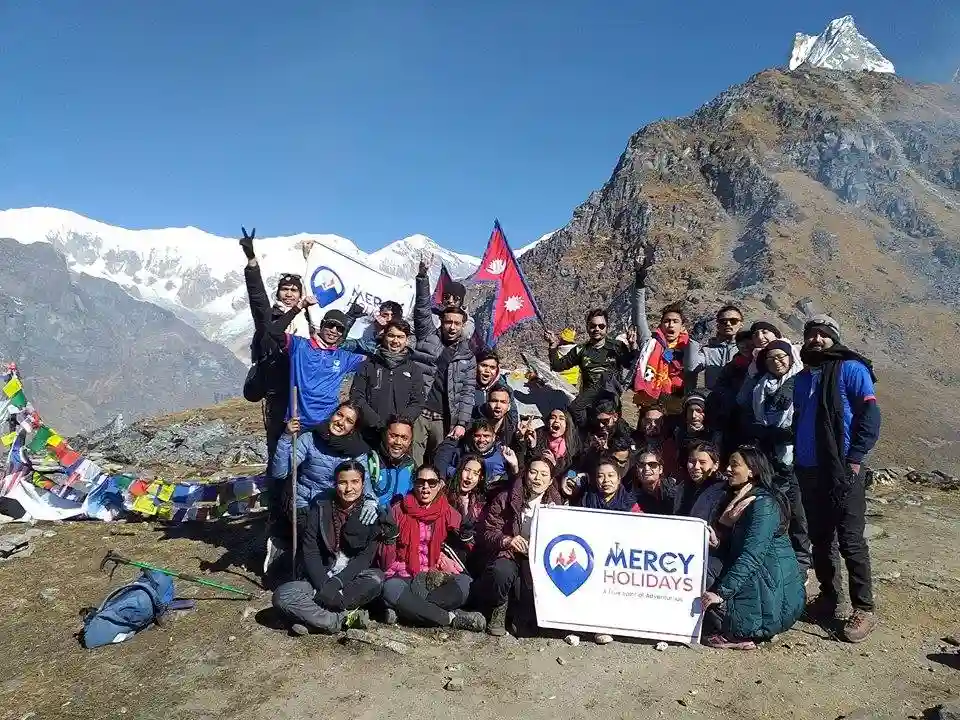
Trip Highlights
-
A not-so-easy yet not-so-difficult trek to the Mardi Himal Base Camp (4500 meters).
-
The best way to escape the crowded trails and experience a quiet mountain.
-
Wander through magical red, pink, and white rhododendron blooms in spring, turning the hillsides into a painter’s canvas.
-
Trek along narrow ridges at High Camp where the horizon feels endless, and the valleys fall away on both sides.
-
Experience the beaten path adventure with pristine mountain scenery.
-
Chance to stand face-to-face or have close-up views of Machapuchhre (Fishtail) and the warmth of Gurung hospitality in Siding and other villages, where traditions are alive in daily life.
-
Begin and end your trek with time in Nepal’s most relaxing city, framed by peaks and mirrored in Phewa Lake.
Trip Overview
The Mardi Himal Trek stands as a short yet breathtaking adventure in Nepal’s Annapurna region, designed for trekkers seeking panoramic views without the crowds. Besides, this 10-day trek's journey blends cultural immersion, lush forests, and high-altitude exploration, making it one of Nepal’s most rewarding off-the-beaten-path experiences.
Our adventurous trek to Mardi Himal Trek begins with a cultural welcome in Kathmandu, followed by a scenic drive to Pokhara. After that, we will go for some sightseeing in Pokhara before heading towards Kande, the starting point of the trek to Mardi Himal. From Kande, we pass through ush rhododendron forests, terraced farmlands, and traditional Gurung settlements. With every day's ascent, the walk becomes more and more adventurous and adrenaline-rushing.
The trail climbs steadily through Forest Camp, Low Camp, and High Camp, where the alpine landscapes open dramatically. Once we ascend to the Mardi Himal Base Camp, it's time to descend and return to Kathmandu. However, before that, remember to watch the jaw-dropping 360-degree views of Annapurna I, Dhaulagiri, Machapuchare, and Manaslu.
Overall, the Mardi Himal Trek offers a perfect chance to witness an authentic Himalayan lifestyle while ascending on a moderately difficult trail. Read the package to know further about the Mardi Himal Trekking package.
Permits for Mardi Himal Trek
One of the most important things to be prepared with for ascending on the Mardi Himal Trek is obtaining the permits. Yes, this trekking package, along with all the other trekking packages, requires permits.
For the Mardi Himal Trek, here are the permits you need:
-
Trekkers' Information Management System (TIMS)
-
Annapurna Conservation Area Permit (ACAP)
Trip Itinerary
Day 1: Day 1: Arrival in Kathmandu
As you land in the Tribhuwan International Airport (Kathmandu), our local representatives welcome you with all due respect and drive you to the hotel in the Thamel area. From the moment we begin the drive, prayer flags flutter in the breeze, incense drifts through temple courtyards, and the vibrant chaos of Nepal surrounds you. In the evening, our team invites you for a traditional Nepali dinner along with a cultural performance.
After that, you can simply return to your room and sleep for the night. Well, make sure to get as relaxing a sleep as possible because we have a long drive to cover the next day and a long walk to do throughout the next 9 days.
Activity: Arrival & cultural welcome dinner, trip briefing
Highlights: Visa on arrival, hotel check-in, traditional Nepali dinner with cultural performance
Day 2: Day 2: Drive to Pokhara ( 822m/2697ft) approx. 6-8 hours
Day 3: Pokhara Sightseeing – Drive to Kande – Trek to Australian Base Camp (2,060m)
Day 4: Trek from Australian Base Camp to Forest Camp (2,550m)
Day 5: Trek to High Camp (3,580m) via Low Camp (3,150m)
Day 6: Hike to Mardi Himal Base Camp (4,500m) and Return to High Camp
Day 7: Trek to Siding Village (1,700m) via Low Camp
Day 8: Drive Back to Pokhara – Explore and Relax
Day 9: Flight or Drive to Kathmandu
Day 10: Final Departure from Kathmandu
Route Map
Include/Exclude
Cost Includes
-
Three meals a day during the Trekking (Breakfast, Lunch & Dinner)
-
Accommodation in a Tea House during the trek.
-
Trekking Guide and a porter (Sharing by two clients) with Insurance, food, and accommodations.
-
Bus Ticket for the client from Kathmandu to Dhunche.
-
Bus ticket for guide and potter from Kathmandu to Dhunche.
-
First Aid kit.
-
Trekking permit (Conservation fee).
-
A TIMS card (Trekking Information Management System) is like a permit.
-
Free Company’s duffel bag.
-
All the needed official fees.
Cost Excludes
-
International and domestic flights
-
Travel insurance
-
Tips for guide/porters
-
Personal expenses (drinks, WiFi, snacks)
-
Extra night stays in Pokhara or Kathmandu
Essential Info
Useful Information
Best Season for Mardi Himal Trek
Spring (March to May) and Autumn (September to November) stand as the best seasons to go for the Mardi Himal Trek. These months offer stable weather, clear skies, and incredible Himalayan visibility. Spring brings a burst of rhododendron blossoms, vibrant wildlife, and refreshing mountain breezes. Autumn, on the other hand, delivers golden valleys, crisp air, and some of the year’s most breathtaking sunrises.
In contrast, we do not recommend trekkers to choose the winter (December to February) and monsoon (June to August) seasons. During the winter season, the trek is quieter but far colder, with snow often covering the high trails. Besides, many tea houses and hotels also remain closed during the peak winter season. On the other hand, the monsoon season brings heavy rainfall, slippery paths, and obscured mountain views. However, if you still want to go for a little extra adventure and thrill, Mercy Holidays offers year-round bookings.
Mardi Himal Trek Difficulty Level
The Mardi Himal Trek is considered to be one of the moderately difficult trekking routes in Nepal. Due to this reason, this trekking route is perfect for both first-time trekkers and seasoned adventurers. In recent times, many international and domestic tourists choose this trail as their first trekking experience.
However, let us tell you that the Mardi Himal trekking trail involves steady climbs, narrow ridges, and forested sections requiring stamina and focus. Moreover, as the highest point of this trail is at an altitude of 4500 meters above sea level, you might face challenges due to thin air and less oxygen, causing altitude sickness. Therefore, we recommend the trekkers to follow the proper rest and slow pace technique for a better experience.
Although the trek is shorter compared to Everest or Annapurna routes, preparation is still important. Good fitness, regular hikes, and mental readiness ensure a smoother journey. With gradual altitude gain, the risk of altitude sickness is reduced but never eliminated. Overall, it’s a rewarding adventure that balances challenge with accessibility.
How to Prepare for the Mardi Himal Trek?
Even though the Mardi Himal Trek is a moderately difficult trekking route, proper planning and preparation can prove highly important for a better experience. Besides, proper preparation can also help you stay active and preserve your energy throughout the trek.
Here are some of the major and most effective ways to prepare for the Mardi Himal Trek:
Physical Preparation
-
Start training 6–8 weeks before with regular cardio like running, cycling, or swimming.
-
Practice long hikes with a backpack to build stamina and get used to carrying weight.
-
Include leg-strength exercises like squats, lunges, and step-ups to prepare for steep climbs.
-
Add core and balance training, as ridge walks require stability and endurance.
Mental Preparation
-
Expect long walking days with changing weather and simple facilities.
-
Practice patience and steady pacing to manage fatigue and altitude gain.
-
Stay flexible with plans; mountain weather often forces adjustments.
-
Develop a positive mindset to embrace both challenge and reward.
Gear & Packing
-
Wear sturdy trekking boots already broken in before the trek.
-
Pack layered clothing for varying temperatures, from humid forests to chilly high camps.
-
Carry a sleeping bag, headlamp, trekking poles, gloves, and a hat for comfort and safety.
-
Don’t forget reusable bottles, purification tablets, and personal medicines.
Altitude & Acclimatization
-
Follow a gradual ascent itinerary with proper rest days.
-
Drink plenty of water and avoid alcohol or excessive caffeine.
-
Learn the early signs of altitude sickness to act quickly if needed.
-
Walk slowly and listen to your body; never rush at altitude.
Logistics & Permits
-
Secure the required Annapurna Conservation Area Permit (ACAP) and TIMS card.
-
Book the teahouse stays in advance during peak seasons.
-
Consider hiring a guide or porter for safety, navigation, and cultural insights.
-
Keep some cash in Nepali rupees, as ATMs are unavailable on the trail.
Food and Accommodation during the Mardi Himal Trek
The Mardi Himal Trek is supported by teahouses run by local families, offering simple comfort and authentic hospitality. Meals are wholesome and hearty, with staples like dal bhat, noodles, soups, and fresh tea. Breakfasts usually include porridge, eggs, or pancakes to keep energy levels high. Though menus are simple, the food provides everything needed to fuel your trek.
Accommodation is basic yet cozy, with shared rooms, blankets, and common dining halls warmed by wood stoves. Higher altitudes mean fewer facilities but more charm, as evenings are often spent chatting with fellow trekkers. Besides, Wi-Fi and hot showers may be available at lower camps, but are rarer as you climb higher. Despite its simplicity, the atmosphere feels warm, genuine, and unforgettable.
What to Pack for the Mardi Himal Trek?
Another essential thing to keep in mind while planning for the Mardi Himal Trek is proper and smart packing. Without smart and well-planned packing, you might lack a lot of important and basic things required for keeping you active and energetic throughout the Mardi Himal Trek.
So, here is a list of all the things that you must not miss packing before heading for the Mardi Himal Trek:
Clothing & Layers
-
Base layers (moisture-wicking tops and thermal bottoms) for comfort and warmth.
-
Mid-layers like fleece or light down jackets for insulation.
-
Outer shell jacket (waterproof and windproof) for rain and wind protection.
-
Light trekking pants and one pair of insulated pants for colder nights.
-
Comfortable T-shirts and shorts for lower altitudes.
-
Warm hat, gloves, and scarf/buff for chilly mornings and high altitudes.
-
Wool or synthetic trekking socks (3–5 pairs) and inner liners.
Footwear
-
Sturdy trekking boots (well broken-in) with good ankle support.
-
Light camp shoes or sandals for evenings at teahouses.
-
Gaiters for snow or muddy trails.
Sleeping & Trekking Gear
-
Four-season sleeping bag (teahouses provide blankets, but it gets cold at High Camp).
-
Trekking poles for balance on steep ascents and descents.
-
Headlamp with spare batteries for early morning hikes or power outages.
-
Backpack (40–50L) with rain cover for daily essentials.
-
Duffel bag (if using a porter) for extra gear storage.
Essentials & Accessories
-
Reusable water bottles or hydration bladder (2 liters minimum).
-
Water purification tablets or a filter for safe drinking water.
-
Sunglasses with UV protection to shield from strong mountain sun.
-
Sunscreen, lip balm, and hand cream to protect skin at high altitudes.
-
Quick-dry towel and toiletries (wet wipes, biodegradable soap, toothbrush, toothpaste).
-
Snacks or energy bars for quick boosts on the trail.
Health & Safety
-
Personal first aid kit including painkillers, bandages, blister care, and altitude medication.
-
Any prescribed medications are in sufficient quantity.
-
Hand sanitizer and face masks for hygiene in shared teahouses.
-
Insect repellent for lower altitudes.
Extras & Nice-to-Haves
-
Power bank or solar charger (electricity is limited and often charged extra).
-
A camera or GoPro for capturing breathtaking moments.
-
Travel adapter (Type C/D/M for Nepal) for charging electronics.
-
Small journal and pen to record trekking memories.
-
Lightweight book or cards for evenings in teahouses.
Book the Mardi Himal Trek with Himalayan Ice Cap now!
Did you read the entire Mardi Himal Trekking Package? In that case, you might be more than excited to go on this adventurous journey in the Himalayas of Nepal. Well, why wait? Let Mercy Holidays take you on one of the most adventurous, safe, and insightful trekking journeys to the Mardi Himal Base Camp.
If you have any queries or questions, feel free to contact us or send us your queries through our official email. Our team of expert guides and officials waits to host you and provide one of the best experiences in Nepal.
FAQ
What is the highest altitude of the trek?
Do I need a guide or can I trek solo?
What permits are required?
What is the best time to trek Mardi Himal?
Is altitude sickness a concern on this trek?
Reviews
No reviews found.
We offer Group Price
CUSTOMIZE YOUR TRIP
Let us know your preferences, and we’ll create a tailor-made travel experience just for you.
Personalize My TripTalk to an Expert
( Trekking Expert)

( Tour Expert)
( Ticketing Expert)
( Visa Expert)