Duration
18 Days
Difficulty
Extreme
Destination
nepal
Max. Elevation
6,476 m (21,247 ft)
Group Size
2 - 15 Pax
Activity
Peak Climbing
Best Season
Autumn, Spring
Trip Code
MME103
Trip Highlights
-
A beautiful and thrilling opportunity to climb over Mera Peak, located at an altitude of 6461 meters above sea level.
-
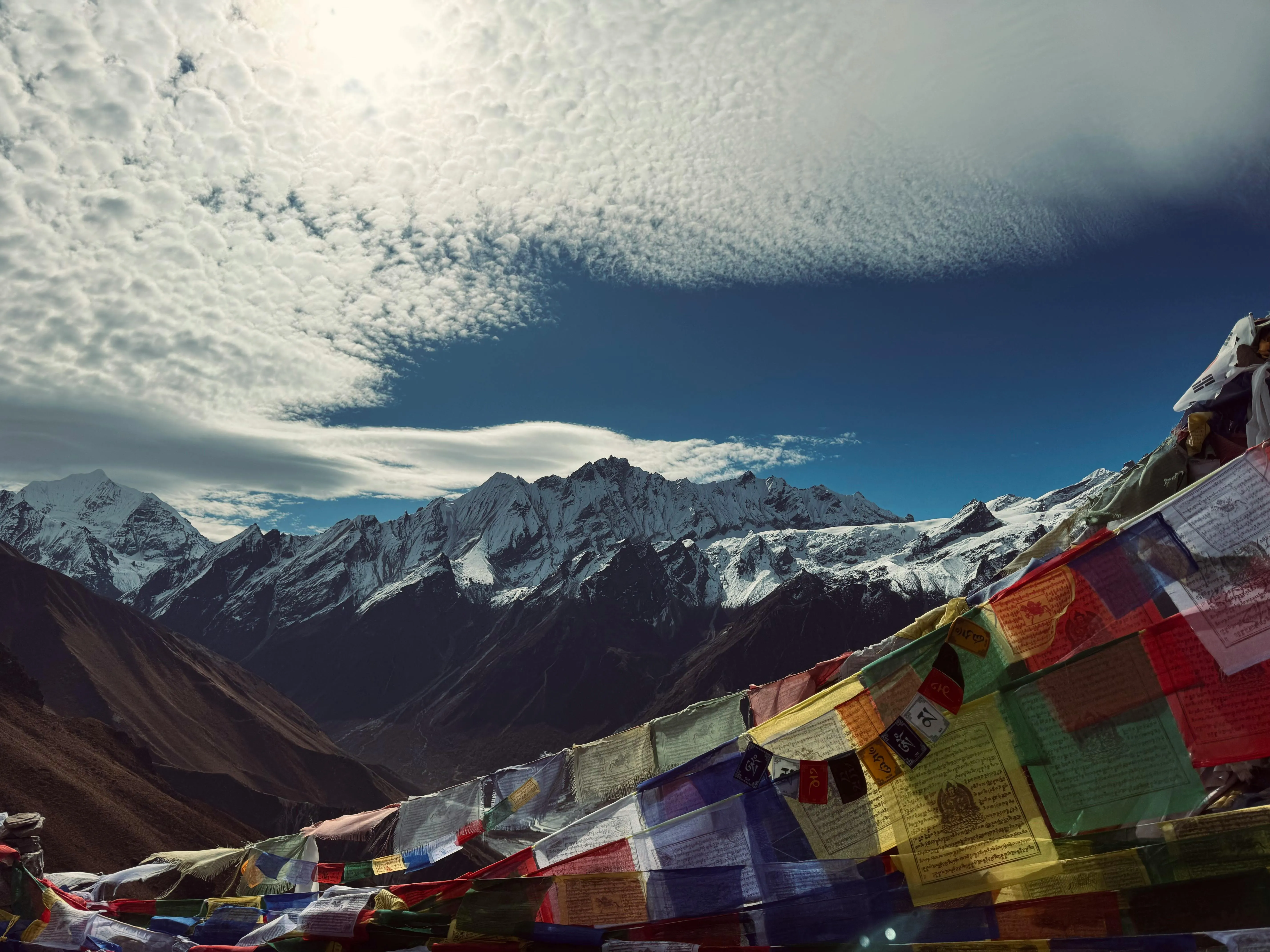
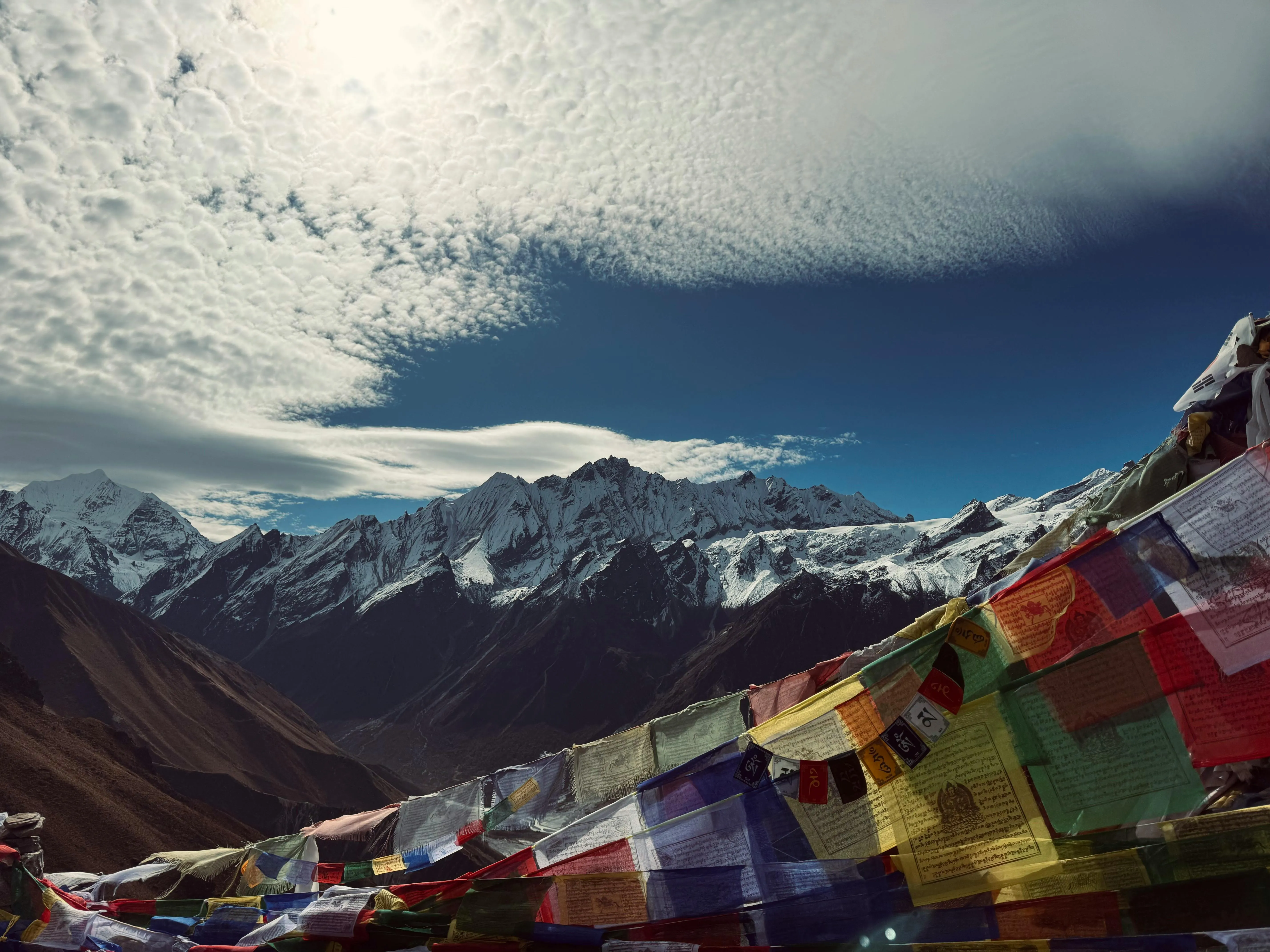
Witness epic views of Everest, Lhotse, Makalu, Cho Oyu, and Kanchenjunga from the summit.
-
Stroll in the Makalu Barun National Park, home to different wild animals, like snow leopards, red pandas, Himalayan black bears, and musk deer.
-
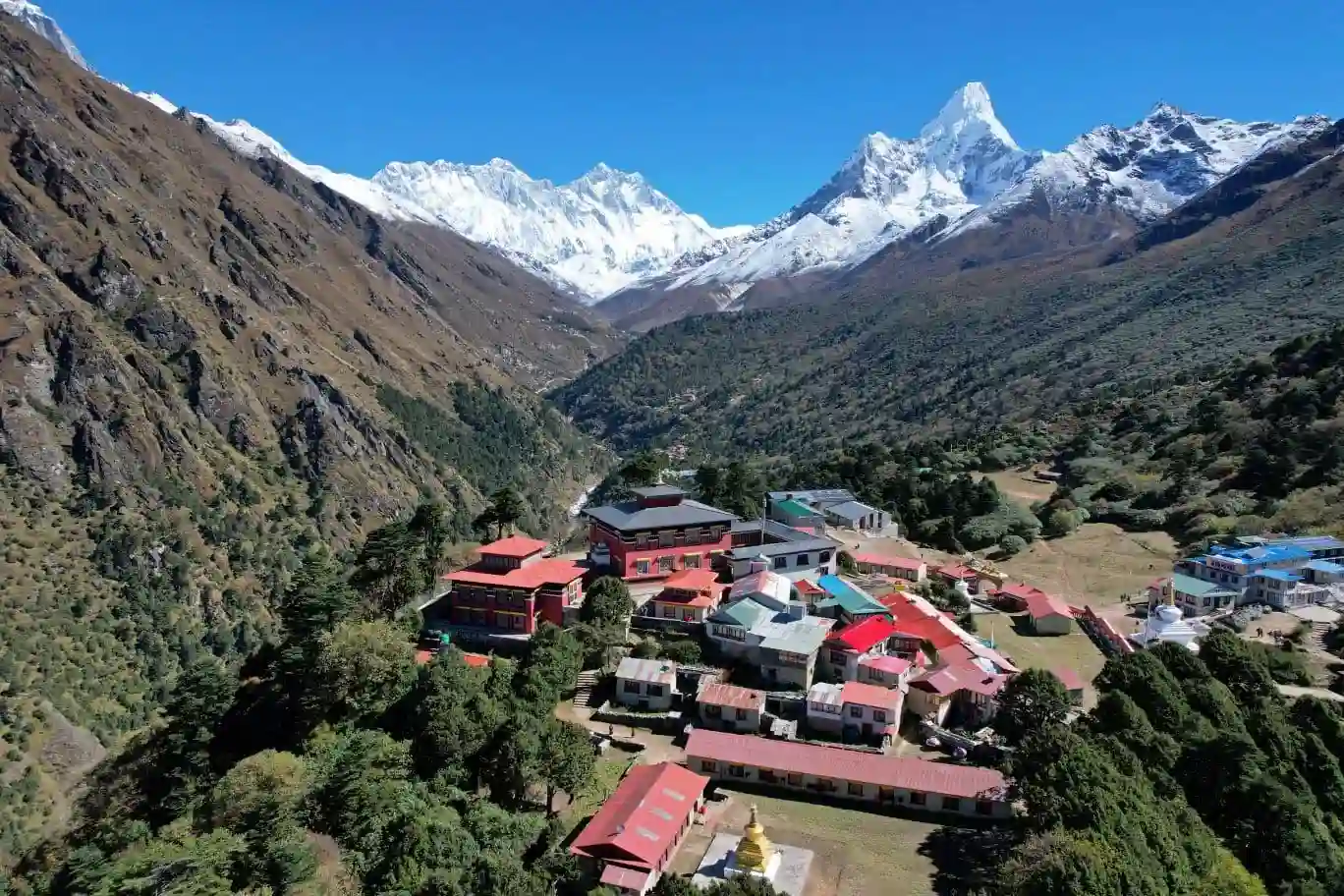
A heartwarming opportunity to immerse deep into the traditional Sherpa villages, ancient monasteries, and experience local life in remote Everest regions.
-
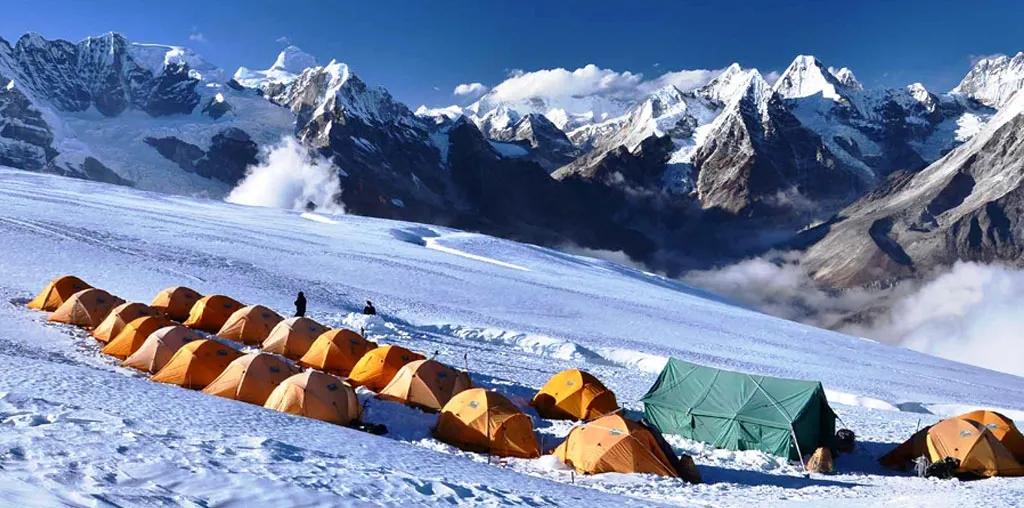
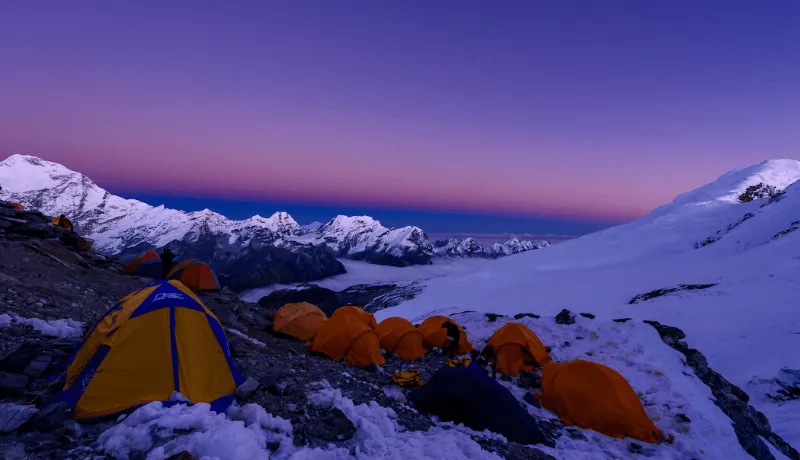
Spend a night at Mera High Camp (5,780m) under the stars, surrounded by glaciers and rugged peaks.
-
A chance to go for a moderately challenging yet achievable peak climbing journey, ideal for those with good fitness and basic mountaineering preparation.
-
Walk through lush forests, alpine meadows, and glacial valleys while spotting rare Himalayan species.
Trip Overview
Mera Peak Climbing is an 18-day high-altitude adventure in Nepal’s Everest region. At 6,461 meters, Mera Peak stands as Nepal’s highest trekking peak. As a result, this journey offers a rare balance of challenge and accessibility. At the same time, it blends heart-pumping alpine climbs with immersive Sherpa culture. Along the trail, you move through rhododendron forests, wide glacial valleys, and remote Himalayan villages that still follow a timeless rhythm of life.
The adventure begins with a scenic flight from Kathmandu to Lukla, the main gateway to the Everest region. From the moment you land at one of the world’s most thrilling mountain airports, the experience feels different. Afterward, the trek unfolds gradually through traditional Sherpa villages and the remote Hinku Valley. As you gain altitude, the landscape opens up. Along the way, you enjoy sweeping views of Everest, Lhotse, Makalu, Cho Oyu, and Kanchenjunga. Meanwhile, experienced Sherpa guides help you build essential mountaineering skills, step by step.
Throughout the journey, every day feels visually rewarding. In just a few days, you transition from the busy streets of Kathmandu to the deep Himalayan wilderness. As you trek through the Hinku Valley, each section brings something new. Sometimes you cross icy ridges. At other times, you move across the Mera Glacier or climb steady alpine slopes. Meanwhile, nights at high camps offer rare moments of stillness. You sleep beneath star-filled skies and wake to crisp, energizing mountain air.
Beyond the physical challenge, the cultural side of this climb adds depth to the experience. Along the route, you stay in authentic Sherpa villages such as Paiya, Panguam, Nagindingma, and High Camp. In addition, wildlife lovers may spot musk deer, red pandas, or even elusive snow leopards. Because of this balance, the journey feels both adventurous and deeply human.
Ultimately, Mera Peak Climbing is not just about reaching a summit. Instead, it’s about moving with the mountains, connecting with culture, and returning home transformed by an adventure few ever experience.
Permits Required
To make sure that the Mera Peak Climbing goes smoothly, safely, and fully compliant, the trekkers need to obtain some permits. These permits help protect the mountains, support conservation, and ensure climber safety throughout the journey.
Here are the permits that you need for the Mera Peak Climbing journey:
-
Makalu Barun National Park Permit: This permit allows entry into Makalu Barun National Park, a remote and biodiverse region that surrounds the Mera Peak route and protects its fragile alpine environment.
-
Nepal Mountaineering Association (NMA) Permit: Since Mera Peak is classified as a trekking peak, this permit is essential for a legal summit attempt and ensures the climb follows national mountaineering standards.
-
Trekkers’ Information Management System (TIMS) Card: The TIMS card helps authorities monitor trekking routes and respond quickly in case of emergencies, adding an extra layer of safety to your journey.
With Mercy Holidays, you can expect all these permits to be arranged by our staff as soon as you confirm the booking. No hassle, just adventures, that's what Mercy Holidays provides the adventure lovers.
Include/Exclude
Cost Includes
-
Airport transfers in Kathmandu (arrival and departure)
-
All ground transportation as per the itinerary, including drive to/from Ramechhap
-
Domestic flights: Ramechhap - Lukla - Ramechhap with applicable airport taxes
-
Accommodation in Kathmandu (as per package standard) and teahouses/lodges during the trek
-
All meals during the trek and climb (breakfast, lunch, dinner)
-
Licensed, experienced local guides, including certified climbing guides for summit day
-
Comprehensive mountaineering training at Khare (use of ice axe, crampons, rope techniques)
-
All required permits and fees
-
First aid kit and emergency support coordination
-
Government taxes, service charges, and official documentation
Cost Excludes
-
International airfare to and from Nepal
-
Nepal entry visa fees
-
Personal trekking and climbing gear, including boots, down jackets, sleeping bags, and personal equipment
-
Travel and rescue insurance (mandatory for high-altitude climbing)
-
Meals in Kathmandu outside of the included nights
-
Personal expenses such as snacks, drinks, charging devices, Wi-Fi, hot showers, and laundry
-
Tips for guides and porters (customary and appreciated, but optional)
-
Extra nights in Kathmandu or Lukla due to weather delays or personal itinerary changes
-
Any costs not specifically mentioned under “What’s Included”
Gallery
Essential Info
Best Seasons for Mera Peak Climbing
The best seasons for Mera Peak Climbing are spring (March to May) and autumn (September to November). These periods offer the most stable weather, clearer skies, and safer climbing conditions.
Spring brings warmer temperatures and longer daylight hours. During this season, the trail comes alive with blooming rhododendron forests, while summit days often deliver crystal-clear views of Everest, Makalu, Lhotse, Cho Oyu, and Kanchenjunga.
Autumn, on the other hand, is known for crisp air and excellent visibility. The post-monsoon atmosphere creates dramatic mountain panoramas, making this season ideal for photography and steady summit pushes.
While winter offers solitude and snow-covered landscapes, colder temperatures and heavy snowfall increase technical difficulty. Monsoon season (June to August) is generally not recommended due to rain, clouds, and limited visibility.
For first-time climbers or those seeking the best balance of safety and experience, spring and autumn remain the top choices.
Mera Peak Climbing Difficulty Level
Mera Peak Climbing is considered a moderately challenging trekking peak, suitable for fit trekkers aiming to step into high-altitude mountaineering.
Technically, the climb involves:
-
Snow and glacier travel
-
Use of crampons, an ice axe, and a rope
-
A non-technical summit ridge
However, the real challenge lies in altitude, not technical difficulty. At 6,461 meters, proper acclimatization, pacing, and mental endurance are essential.
The long itinerary, gradual ascent, and dedicated training day at Khare make Mera Peak an excellent choice for:
-
First-time peak climbers
-
High-altitude trekkers seeking a summit experience
-
Adventurers preparing for bigger Himalayan expeditions
With experienced guides and proper preparation, Mera Peak is achievable without prior climbing experience.
How to Prepare for Mera Peak Climbing
Preparing for Mera Peak Climbing is about building endurance, understanding altitude, and arriving mentally ready for the challenge ahead.
Physical Preparation
-
Focus on cardiovascular training such as hiking, stair climbing, cycling, or jogging.
-
Build leg strength with squats, lunges, and weighted step-ups.
-
Practice long walks or hikes with a backpack to improve stamina.
Altitude Awareness
-
Learn the basics of high-altitude acclimatization and pacing.
-
Stay hydrated and maintain steady energy levels during training.
-
Understand early symptoms of altitude sickness and how to respond.
Technical Readiness
-
No prior climbing experience is required.
-
Familiarity with basic mountaineering gear like crampons, harnesses, and ice axes is helpful.
-
Full mountaineering training is provided at Khare before the summit push.
Mental Preparation
-
Prepare for long trekking days and early summit starts.
-
Build patience and focus; steady progress matters more than speed.
-
Arrive with an open mindset, ready for changing mountain conditions.
Gear Planning
-
Invest in quality trekking boots, layered clothing, and cold-weather gear.
-
Ensure personal gear fits well and is tested before the trip.
-
A detailed packing list is provided to help you prepare confidently.
With the right preparation and expert guidance, Mera Peak Climbing becomes an achievable and deeply rewarding Himalayan experience.
Food and Accommodation for Mera Peak Climbing
Food
During the trek and climb, meals are freshly prepared to keep you energized at altitude while still feeling comforting and familiar.
-
Expect hearty trekking meals like dal bhat, noodles, pasta, soups, rice dishes, potatoes, and seasonal vegetables
-
Breakfasts usually include porridge, eggs, pancakes, toast, or Tibetan bread
-
As altitude increases, meals focus on high-energy, easy-to-digest foods
-
Hot drinks such as tea, coffee, and ginger lemon honey are widely available
At higher camps, food becomes simpler but remains nourishing, supporting safe acclimatization and recovery.
Accommodation
Accommodation blends comfort with authenticity, adapting as the terrain changes.
-
In Kathmandu: comfortable tourist-standard hotels
-
On the trek: family-run teahouses in villages like Paiya, Panguam, and Kothe
-
At high altitude: basic mountain lodges and well-equipped tented camps near High Camp
Rooms are generally twin-sharing, with shared facilities at lower elevations and more basic setups as you climb higher.
Transportation for Mera Peak Climbing
Transportation is arranged to maximize safety, efficiency, and flexibility in mountain conditions.
-
Airport pick-up and drop-off in Kathmandu
-
Drive from Kathmandu to Ramechhap Airport
-
Scenic domestic flight from Ramechhap to Lukla and back
-
All ground transfers during sightseeing and logistics days
Flights to Lukla are scheduled carefully around weather conditions, ensuring smooth transitions into the Everest region.
What to Pack for Mera Peak Climbing
Packing smart is key to enjoying the climb comfortably and safely.
Clothing
-
Insulated down jacket and waterproof outer shell
-
Thermal base layers (top and bottom)
-
Trekking pants, fleece layers, and a warm hat
-
Gloves (lightweight and insulated)
Footwear
-
Sturdy trekking boots (broken in)
-
Mountaineering boots suitable for snow and ice
-
Warm socks and gaiters
Climbing Gear
-
Crampons, harness, ice axe, helmet
-
Carabiners and safety equipment (can be rented locally if needed)
Personal Essentials
-
Sunglasses with UV protection
-
Headlamp with spare batteries
-
Reusable water bottles or hydration systems
-
Sunscreen, lip balm, and personal medications
A detailed packing checklist is provided before departure, so you arrive fully prepared without overpacking.
Book the Mera Peak Climbing with Mercy Holidays!
Ready for a comparatively easy and beginner-friendly peak ascent? Why don't you book the package right away with Mercy Holidays? Visit us, contact us, email us, or directly call us to book your next alpine adventure.
Reviews
No reviews found.
Price per person
USD $5500
We offer Group Price
1 Pax
USD $3,240.00
2-4 Pax
USD $2,730.00
5-6 Pax
USD $2,640.00
7-8 Pax
USD $2,530.00
9-10 Pax
USD $2,530.00
11-15 Pax
USD $2,400.00
CUSTOMIZE YOUR TRIP
Let us know your preferences, and we’ll create a tailor-made travel experience just for you.
Personalize My TripTalk to an Expert
Sujit Tamang
( Trekking Expert)
Bimala Humagain
( Tour Expert)
Govin Dhakal
( Ticketing Expert)
aayush Karki
( Visa Expert)