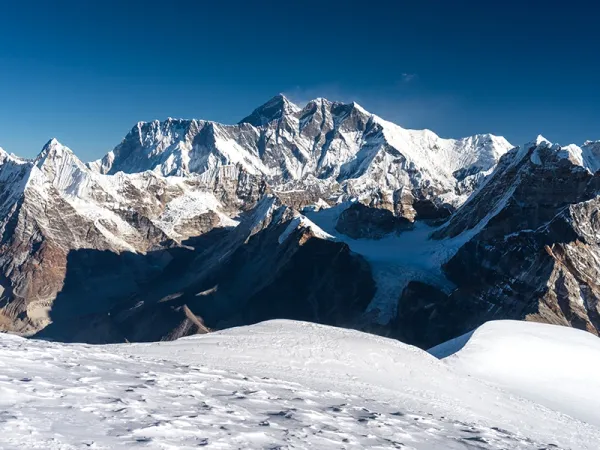
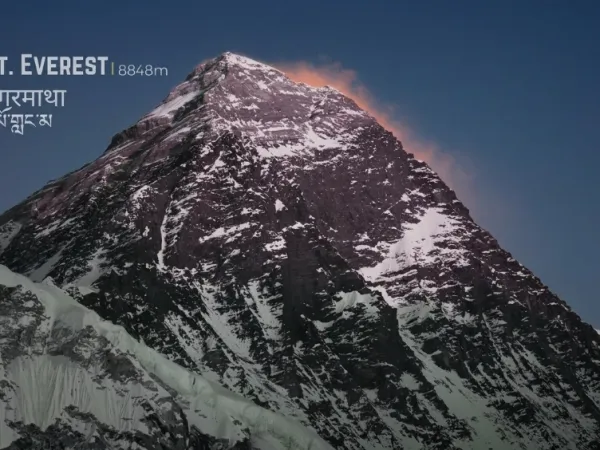
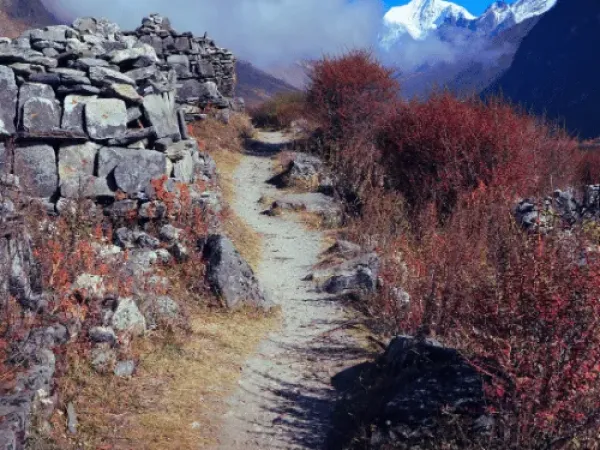
The Everest Base Camp (EBC) is a popular and most visited trekking destination that takes you to the lap of Mount Everest (8,848.86 m), Ama Dablam (6,812 m), Lhotse (8,516 m), and many other iconic mountains. Trekking to EBC is a blend of physical challenge and rich Sherpa culture, set against stunning Himalayan scenery.
Everest Base Camp takes you dramatically close to the world's highest mountain and gives you a close look at the glorious mountaineering history and life in high-altitude regions. While the best times for the Everest Base Camp trek are during the spring and autumn seasons, the monsoon season is also a choice for experienced trekkers who want a raw and challenging experience. But what does the Everest Base Camp during monsoon (June to August) feel like?
In this blog, we try to answer the question by providing information about the trail and trekking conditions at Everest Base Camp during the monsoon season. The advantages and challenges of trekking EBC in the monsoon, unfavorable weather conditions, and essential preparation guides are explained. Also, the tips for successful trekking to Everest Base Camp during the monsoon season are provided.
Everest Base Camp Trek Overview
| Aspect | Details |
|---|---|
| Altitude | 5,364 meters (Everest Base Camp) |
| Highest Point | Kala Patthar (5,545 m) |
| Trekking Season | Monsoon (June to August) |
| Trail Conditions | Wet, muddy, and slushy trails, with slippery conditions in some sections |
| Crowds | Low crowd level compared to peak seasons (spring and autumn) |
| Mountain Views | Occasional glimpses of mountains such as Ama Dablam, Lhotse, and Pumori |
| Experience | Best views of lush green forests, blooming vegetation, and flowing rivers |
| Permit Requirement |
|
| Trek Difficulty | Challenging |
| Trek Cost | Affordable compared to peak season |
| Flight Reliability | Low reliability due to possible delays or cancellations |
| Recommended For | Experienced trekkers looking for challenges |
Advantages of the Everest Base Camp Trek In Monsoon
The Everest Base Camp (5,364 m) trek during the monsoon is a new experience. It rewards trekkers with peaceful trails, lush green scenery, flower blooms, views of rushing waterfalls, and occasional mountain views that feel magical. The advantages of the Everest Base Camp trek during the monsoon season are provided below:
-
Fewer Crowds: Monsoon from June to August gives you the best opportunity to trek on peaceful trails with fewer crowds. The season is best for one seeking peace and solitude experiences in places and feeling the essence of places like Namche Bazaar, Tengboche Monastery, and Kala Patthar.
-
Greener Landscapes: The season of monsoon gives a vibrant and lush green landscape with green forests and flower blooms in the region.
-
Lower Costs: A Monsoon trek in EBC is cost-efficient in comparison to peak seasons like spring and autumn. As visitors are few, the prices of accommodation, meals, and overall services are generally affordable.
-
Authentic Experience: The month from July to August is ideal for one seeking an authentic experience of the Everest region. As trails are peaceful and crowds are low, one can enjoy the beauty of the region while also interacting with local communities and learning about their cultures.
Challenges of the Everest Base Camp Trek In Monsoon
In addition to the advantages, Everest Base Camp in the monsoon is equally challenging. The visibility is usually poor due to fog, trails are muddy and slippery, and accessing the gateway to Everest faces frequent delays due to poor weather. The key challenges of the Everest Base Camp trek in the monsoon are explained below:
-
Heavy Rain: The Everest region receives rain and downpours in the lower region below Namche Bazaar. While there is a chance of raindrops above areas like Lobuche and Dingboche, the rain in lower regions makes the trail difficult to access. The muddy and slippery trails, infestation of leeches and other insects, and humid atmosphere make trekking challenging.
-
Cloudy Mountain View: Due to an increased chance of rain, fog, and clouds, the visibility is affected. While views are limited, during situations where the weather is clear, you get a magical view of the region.
-
Flight Delays: The Flight to Lukla is constantly affected by poor weather and heavy rain during the monsoon. Due to frequent cancellations, you may face issues with arrival and departure from the region. For the safe side, it is recommended that you keep buffer days for delays.
Weather Conditions During Monsoon
The weather of the Everest region is unstable, wet, and heavily humid in the lower region, and cooler in the higher region. You experience obstruction in the Himalayan view due to rainfall in the lower region and mists, downpours, or clouds at higher altitudes.
Mornings in the region are best for mountain views before cloud buildup during the daytime. Also, the humidity level is higher during the season, due to which you require proper hydration and cooling.
The temperature in the lower valley of Lukla and Namche Bazaar during the daytime averages from 15°C to 20°C and 5°C to 10°C at night. Meanwhile, higher regions like Lobuche, Gorakshep, and Everest Base Camp (EBC) range from 5°C to 15°C during the day and 2°C to -5°C or below during the nighttime.
Essential Preparation and Gear
If you are planning to trek to Everest Base Camp during the monsoon, you need to prepare properly, from choosing a proper itinerary and physical and mental preparation to acquiring permits and packing essential gear and accessories. Some of the essential preparation requirements for the EBC trek during monsoon include:
-
Physical and Mental preparation: You must be mentally and physically fit to trek in EBC. As the trek is cataloged as a hard-to-challenging grade during monsoon, you need to build up walking and navigating practice in difficult terrain. You must also develop a mindset to reach and safely return from your destination.
-
Permit requirements: Trekking in the EBC requires you to obtain permits like the Khumbu Pasang Lhamu Rural Municipality Entrance Permit and the Sagarmatha National Park Entry Permit.
-
Gear requirement: Make sure you pack smarter and more efficiently to trek lighter but securely during the monsoon in the Everest region of Nepal. Ensure you pack waterproof clothing, rainwear, trekking boots, lightweight footwear, trekking poles, altitude medications, sunglasses, headlamps, and power backup systems.
Tips For A Successful Monsoon Everest Base Camp Trek
Proper planning and following proper instructions help in successfully trekking to Everest Base Camp during the monsoon. Some of the best tips you can follow to trek in EBC during the monsoon include the following:
-
Starting early in the morning for a comfortable trek with the best visibility and experience
-
Include 2 to 3 contingency days to accommodate weather delays in your itinerary
-
Trek with a licensed and experienced guide for safety
-
Stay updated with route conditions and weather forecasts
-
Include a planned acclimatization schedule to avoid altitude sickness
-
Stay hydrated and cool to deal with the humidity in the lower region
-
Establish a mindset while accepting a limited mountain view and setting limited expectations
Conclusion
The Everest Base Camp trek during the monsoon gives a unique and raw experience of the Khumbu region of Nepal that many travelers rarely experience. While the season challenges trekkers due to poor visibility, slippery and muddy trails, limited mountain views, and high humidity, it provides lush green landscapes, peaceful trails, and the opportunity to learn about the unique local culture.
Trekkers are required to prepare mentally and physically, plan an itinerary with acclimatization, 2 to 3 contingency days, and be updated with route conditions. The monsoon season in Everest Base Camp is for trekkers looking for challenges and solitude experiences, and wanting to build memories with peaceful and authentic Himalayan experiences.
If you are planning to trek to Everest Base Camp during the monsoon or during peak season, like spring or autumn, visit Mercy Holidays. Mercy Holidays offers tailored itineraries, licensed guides, logistic support, and accommodation arrangements to ensure your trek to the Everest region is memorable and rewarding